
For the two of us, it was our third trip to Japan. The first time, we had two friends take us around Tokyo. For the second one, we traveled alone. This time we acted as guides for two friends who were a travel-loving married couple on their first trip to Japan. This was an epic trip for us because of the length of planning that we did. I have been writing about this trip for nearly four years before I finally published it.

It started in February 2017. The four of us sat down to early dinner at a fish and chip restaurant in southern Jakarta. Amid empty plates and glasses, we agreed upon the dates for our trip. Below is blow by blow account of our trip.
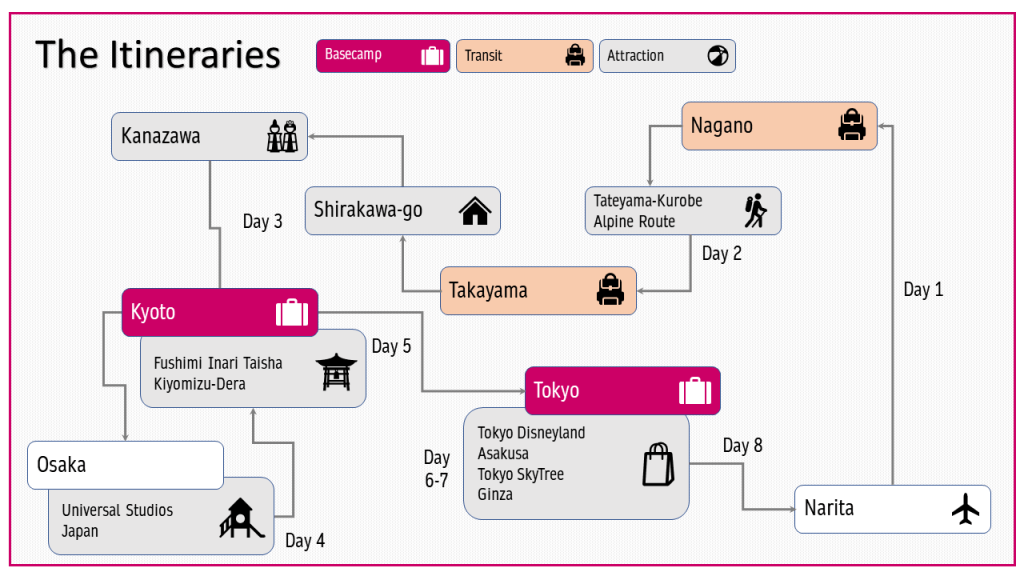

Preparation
| What we planned | What we did | |
| 1. | To get the best price on airplane tickets, we would look for special offers | We bought our tickets at a travel fair. We got Japan Airlines return tickets for Jakarta-Narita for less than $400 per person |
| 2. | We spread our hotel basecamps between two cities: Tokyo and Kyoto. These are the places where we would stay the longest. We would split our luggage between these two camps. | We booked our rooms in Miyako Hotel in Kyoto. Compared to most affordable hotels in Japan, the rooms at the Miyako were huge! For Tokyo, we booked rooms in Ibis Shinjuku. We also booked hotel rooms in Nagano and Takayama for transits. We chose to book hotel rooms without breakfast. One reason was to get lower rates. The other was we planned to have breakfast in regular eateries so we could experience a bite of daily life of the citizens. |
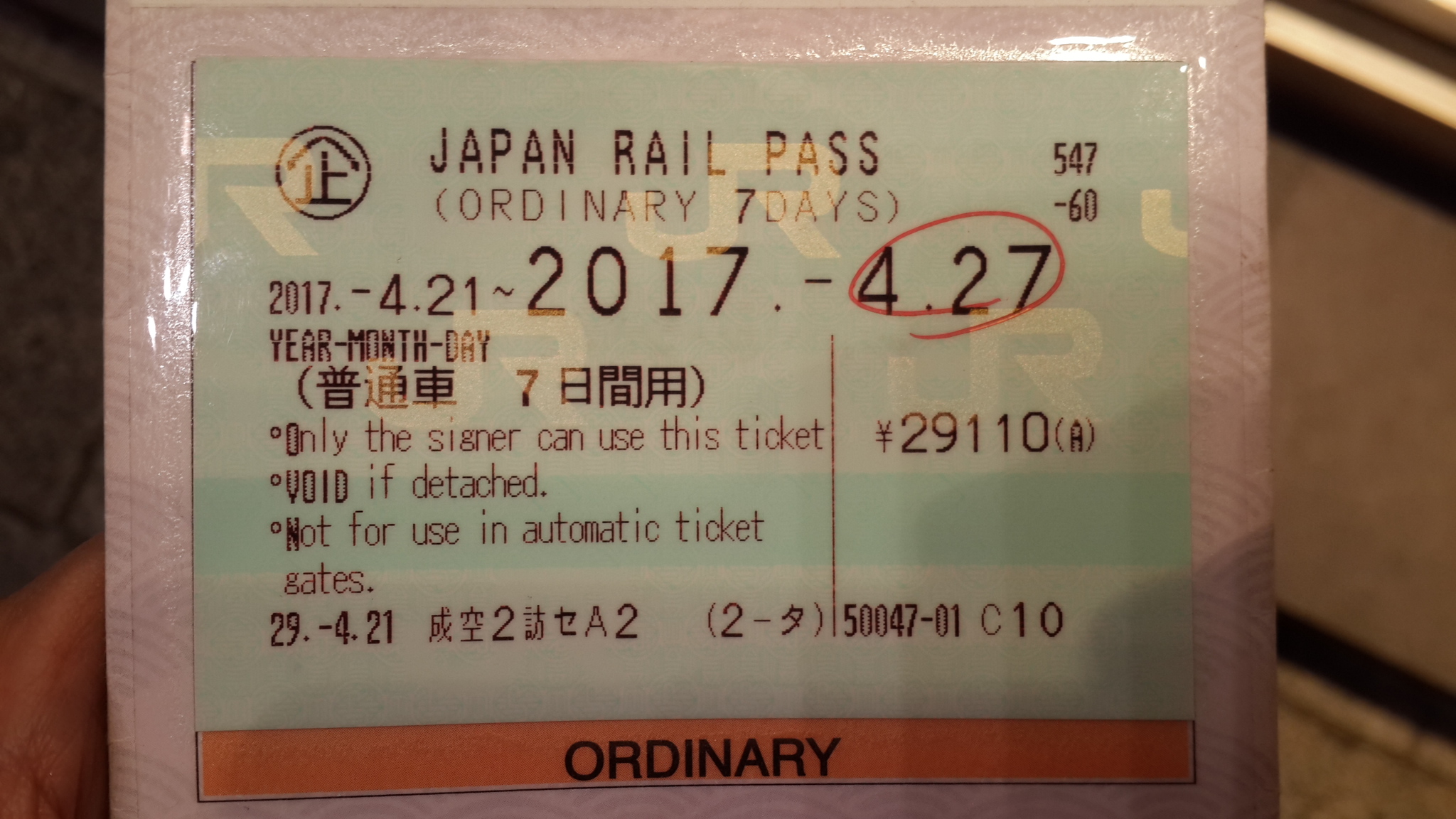
| 3. | To save on expenses, we got the following items in Jakarta through H.I.S, a Japanese travel agent with extensive branches in Indonesia: a. Tickets to the Universal Studios Osaka b. Tickets to Tokyo Disneyland c. JR (Japan Railway) Pass Vouchers. This is a single, 7-day pass that is admissible on most Japan Railway trains, including most Shinkansen trains. Buying this pass gives two great advantages: (1) Huge savings, especially on Shinkansen rides. (2) Flexibility of travel plans. You can change plans anytime without having to worry about transportation. d. Wi-Fi Modem. This is a lifeline. You can stay connected anywhere in Japan with this. We rented one from HIS. But if you shop around, you can get one from other providers at a lower price. | To save on expenses, we got the following items in Jakarta through H.I.S, a Japanese travel agent with extensive branches in Indonesia: a. Tickets to the Universal Studios Osaka b. Tickets to Tokyo Disneyland c. JR (Japan Railway) Pass Vouchers. This is a single, 7-day pass that is admissible on most Japan Railway trains, including most Shinkansen trains. Buying this pass gives two great advantages: (1) Huge savings, especially on Shinkansen rides. (2) Flexibility of travel plans. You can change plans anytime without having to worry about transportation. d. Wi-Fi Modem. This is a lifeline. You can stay connected anywhere in Japan with this. We rented one from HIS. But if you shop around, you can get one from other providers at a lower price. |
| 4 | When packing, each couple would bring two suitcases. One was prepared for the base camp in Kyoto, the other for the base camp in Tokyo. Each person would also bring a small backpack containing a change of clothes and toiletries for use during transits. | It was late spring in Japan, but the weather was still cold in some places. We added winter clothing to our backpacks due to the cold temperature in the Tateyama mountain. |
Arrival
| What we planned | What we did | |
| 5. | As soon as we land in Narita, we would do three things: | |
| 5.a. | a) Go to the luggage forwarding service counter, and have our luggage sent to our base camp hotels. This kind of service is common in Japan and it is very reliable. We would then continue our journey with only our backpacks. | We use the JAL ABC luggage forwarding service. The cost was between ¥2,000-¥3,000 per piece of luggage, with a total of about ¥12,000 for 4 suitcases. Yes, it was a little expensive, but it would save us a lot of trouble from dragging 4 suitcases. You will see why in the next leg. |
| 5.b. | Exchange our JR Pass vouchers with the actual passes | Located on the underground floors of the airport, the train station at Narita has an excellent tourist service center. The officers speak English, and on top of helping to exchange the JR Pass vouchers, they can also give you suggestions and information. |
| 5.c. | Purchase Tateyama-Kurobe Pass that would give us access to all the transportation modes along the routes at a discount. | We bought the pass at the Tourist Service Center in Narita while exchanging our JR Pass vouchers. |
The First Leg: Nagano Prefecture
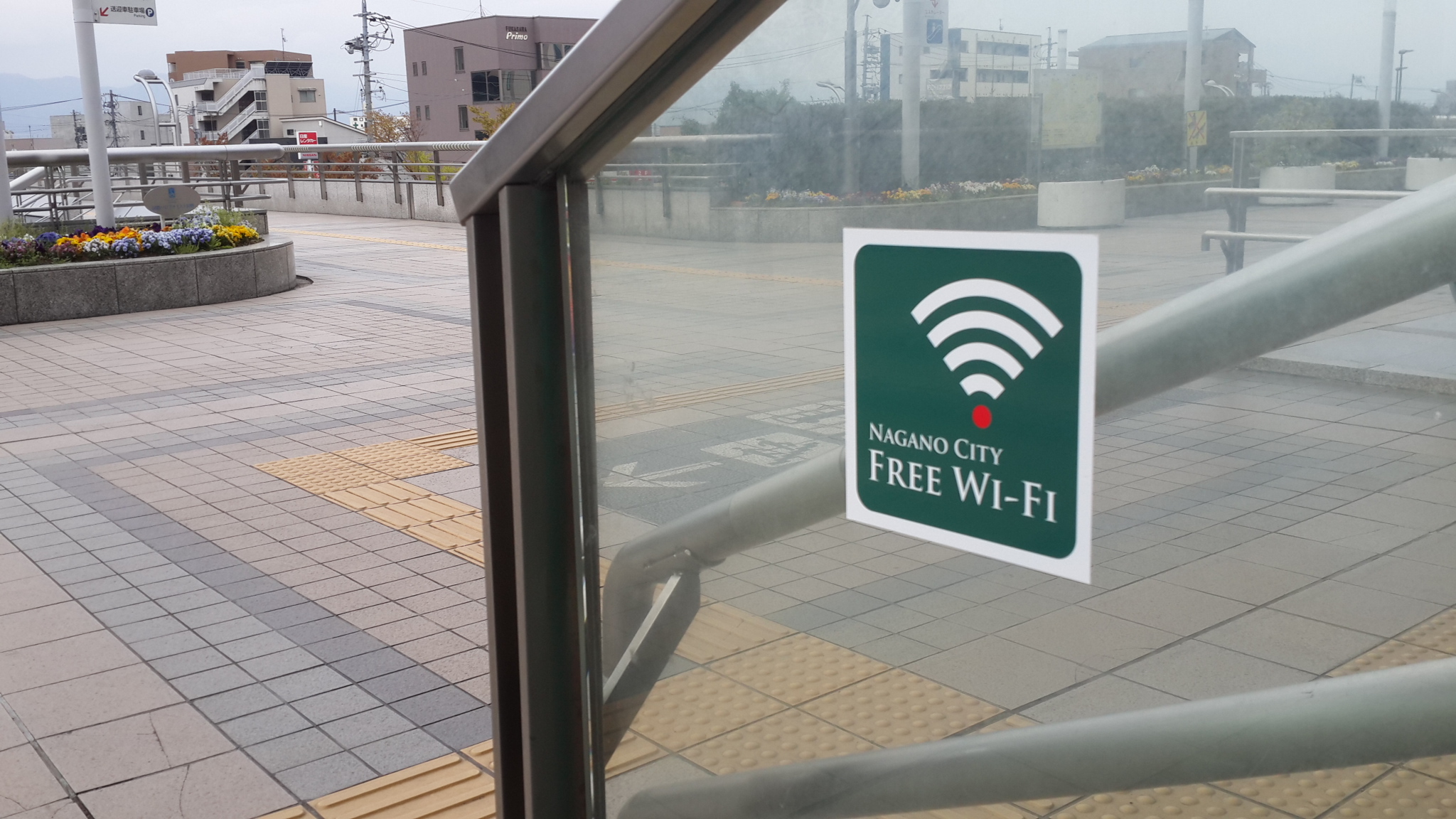
Nagano City
If you are a sports fan, you might remember Nagano as the host of the 1998 Winter Olympics. But the city holds more than just a past reputation.
In the forested mountains northwest of the city center lies the Togakushi area which attracts tourists with its popular shrines and as the legendary home of the Togakure Ninja School. The Togakushi Ninpo Museum and the Kids Ninja Village provide good entertainment and a glimpse of the area’s ninja past.
http://www.japan-guide.com
Nagano City is an important historical location, an industrial center, as well as a travel destination and a center for accessing surrounding sightseeing spots, including Japan’s onsen-bathing snow monkeys in Yamanouchi and world-class ski resorts of Hakuba and Nozawaonsen – throughout the year.
http://www.wikipedia.org
| What we planned | What we did | |
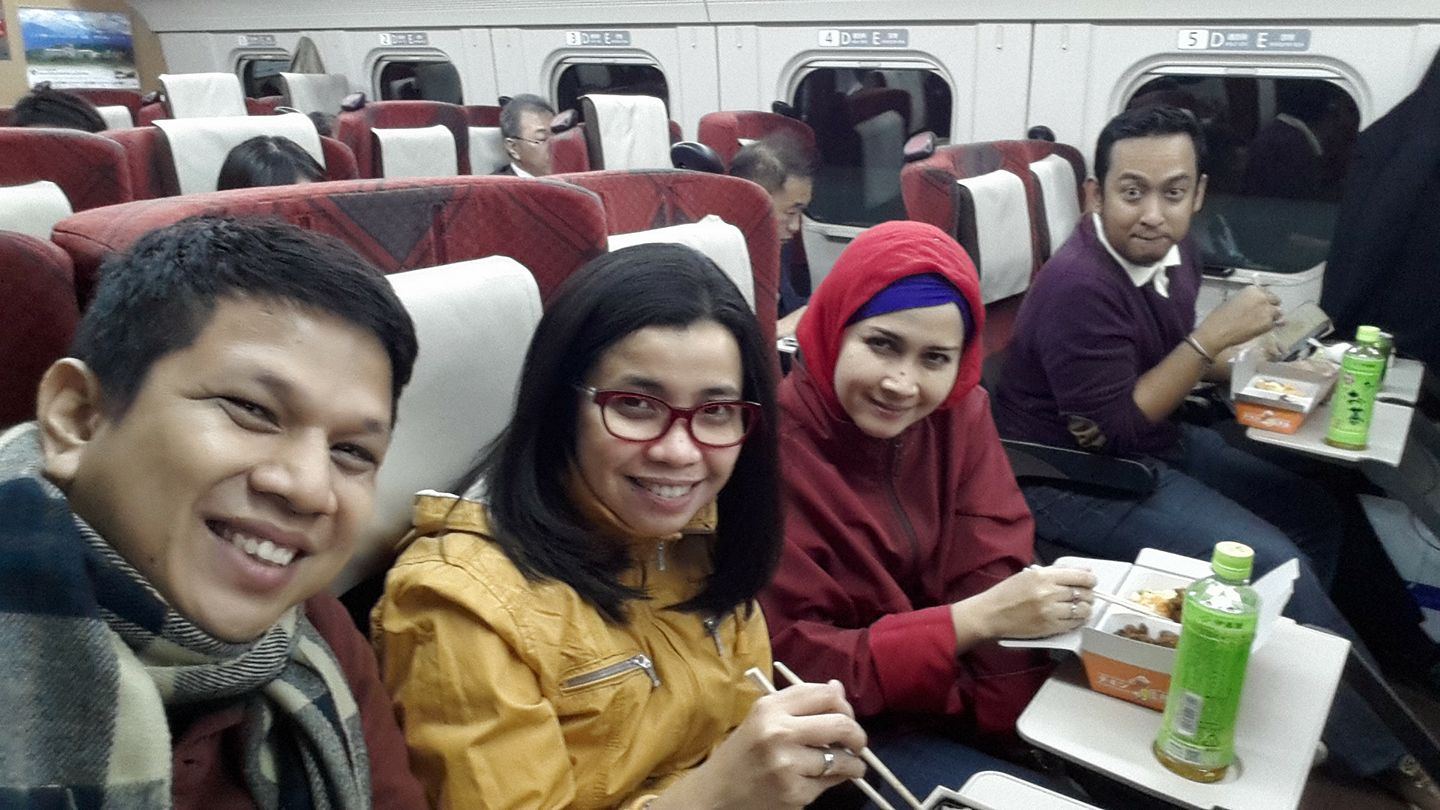
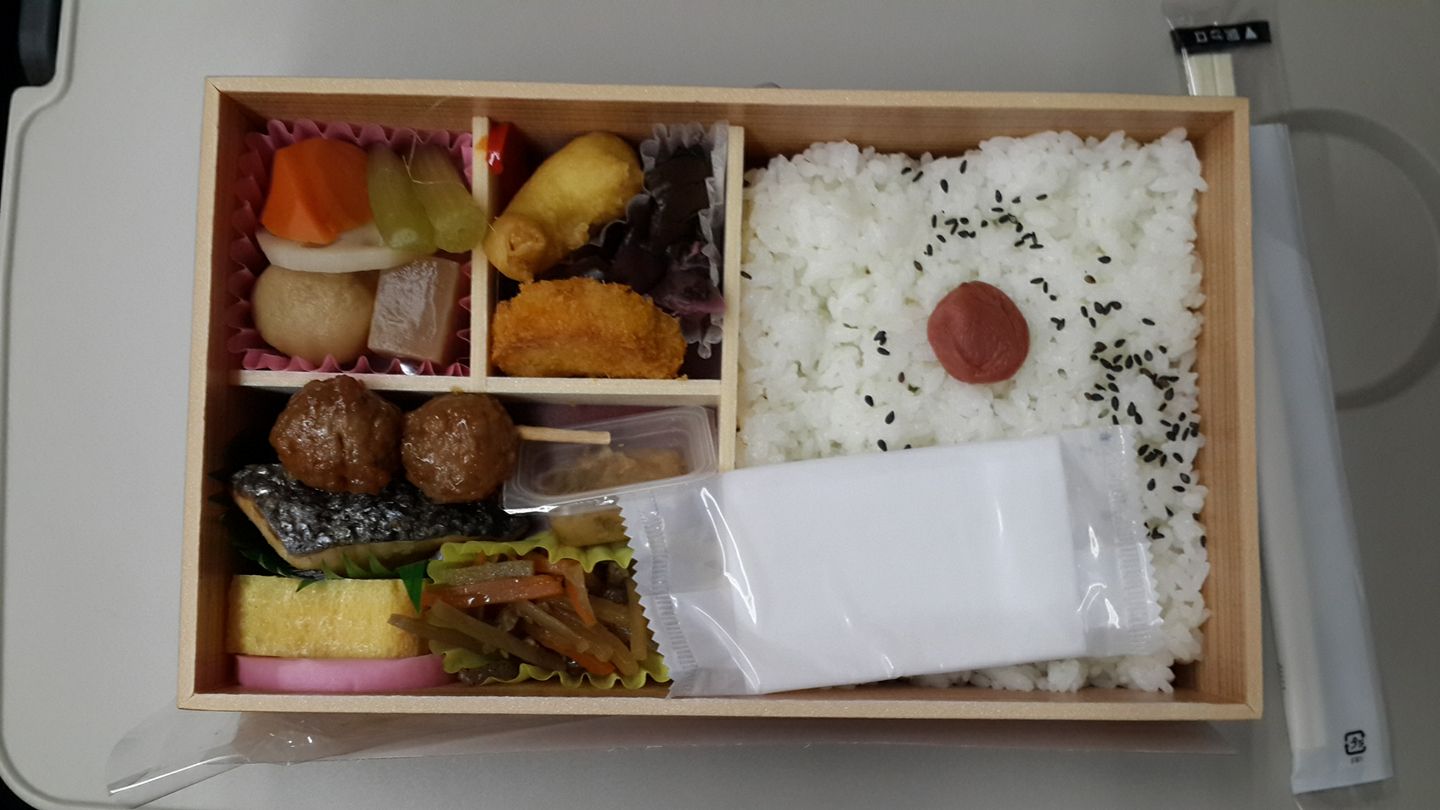
| 6. | From Narita, we would take the Narita Express (or Narex; the ride is free using JR Pass) to Tokyo Station, where we would next take the Kanazawa-bound Shinkansen to get to Nagano. Because we would arrive late, we would stay the night there, and continue the trip the next day. | The trip went without a glitch. We took the Narex and we transferred to the Shinkansen platform with no problem. Because it was already late and we were time-pressed to catch the Shinkansen, at the Tokyo station, we bought four sets of Ekiben, boxed meals (bento) sold at train stations (eki), to eat onboard the train. They are delicious! Remember to dispose of the garbage properly. It took us some time to locate the hotel, but we found it and summarily settled down to rest for the night. |
The Second Leg: Toyama Prefecture
The Majestic Tateyama-Kurobe
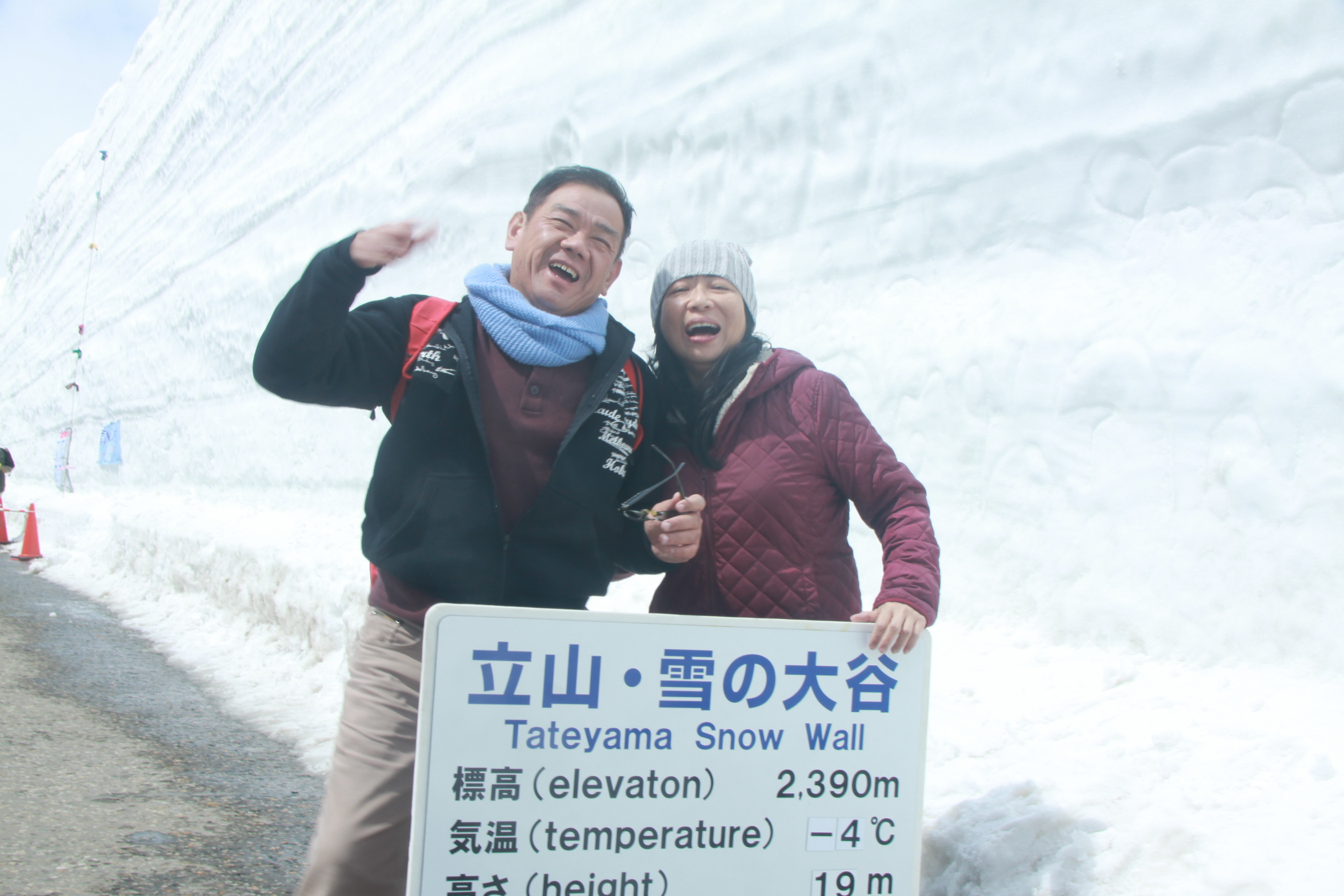
Tateyama-Kurobe Alpine Route is known as “The Roof of Japan”. The route passes through Mount Tateyama, reaching a height of 2,450 m above sea level. It is only open from April to November and then closed for winter. During spring, the temperature can be as low as -3°C (27°F), so winter clothing is a must if you want to take this scenic route.
Every winter, the snow falls heavily on Mount Tateyama and bury the road 20 meters deep. Every spring, they carve through the snow and create a corridor from Murodo to Midagahara to allow traffic to pass.

The route can be traveled from either end. You can start from the Toyama side. If you choose this route, you need to transit to Toyama. We decided to start the Tateyama-Kurobe journey from the Nagano side, so we can move from east to west. Since we have forwarded our luggage to Kyoto and Tokyo, we were traveling light and we could complete the route without having big suitcases in our tow.

| What we planned | What we did | |
| 7. | The next day we would take the JR Bus (also free on JR Pass) from Nagano Station to Shinano Omachi (765 m) and Ogizawa and start the Tateyama Kurobe Trip from there. | We went to Nagano Station where we met another, older married couple who were on the same journey. Now there were six of us! We took the bus from 長野駅東口 (Nagano-eki Higashiguchi or Nagano Station East Gate) bus stop. The bus took us directly to Ogizawa. When we arrived, there was a huge crowd at the Station. It is important to keep together because it is easy to get lost in the crowd. We took a short rest to go to the restroom and freshen up before joining the crowd. |
| 8. | The Tateyama Kurobe Alpen Route would be as follows: | Most of the transportation mode mentioned here is covered by the Tateyama-Kurobe Pass, except when said otherwise. |
| 8.a. | From Ogizawa (1433 m), we would travel by Tunnel bus to the Kurobe dam (1450 m) | Although there were hundreds of people queuing, the transportations were excellently managed. We never had to wait too long. The queue never stopped moving. |
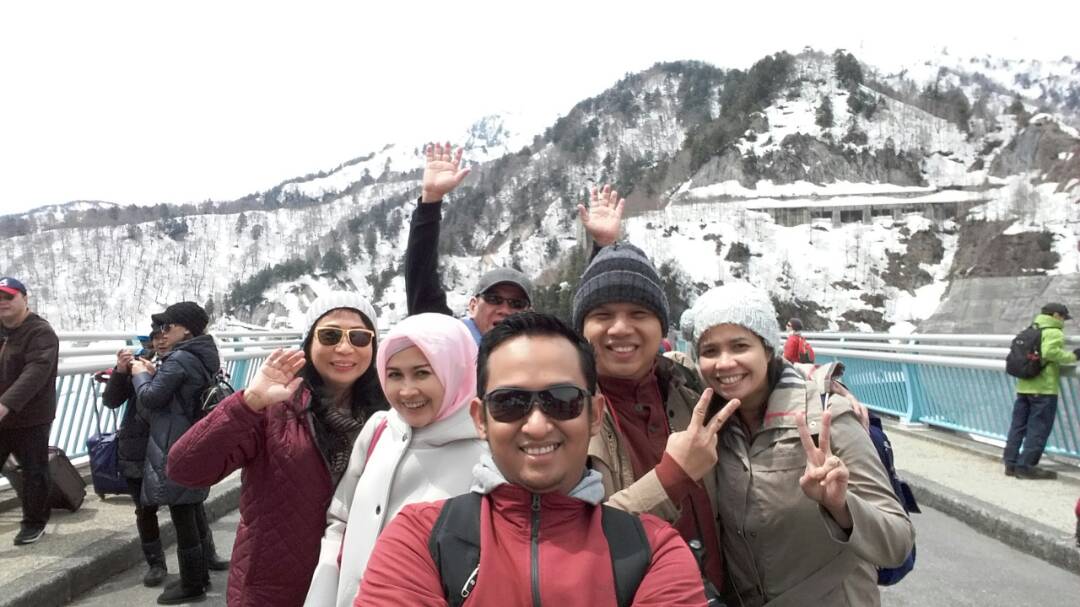
| 8.b. | We would walk on foot along the dam while sightseeing, and when we reached the other end of the dam, we would continue by cable car to Kurobedaira (1828 m) | We were there in mid-Spring, and the water in the dam was still frozen. The dam stood hundreds of meters above the valley and the view was breathtaking. |
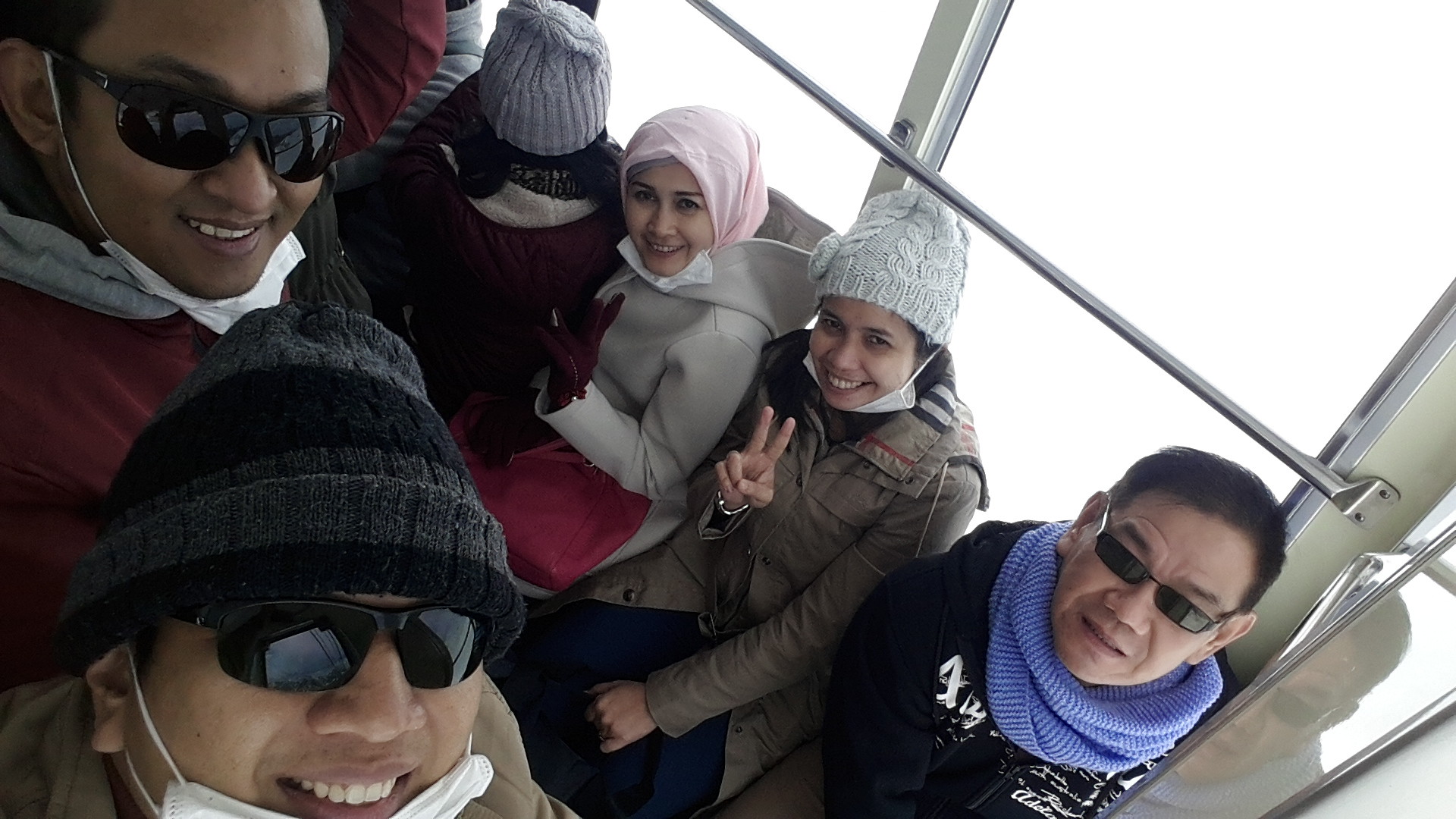
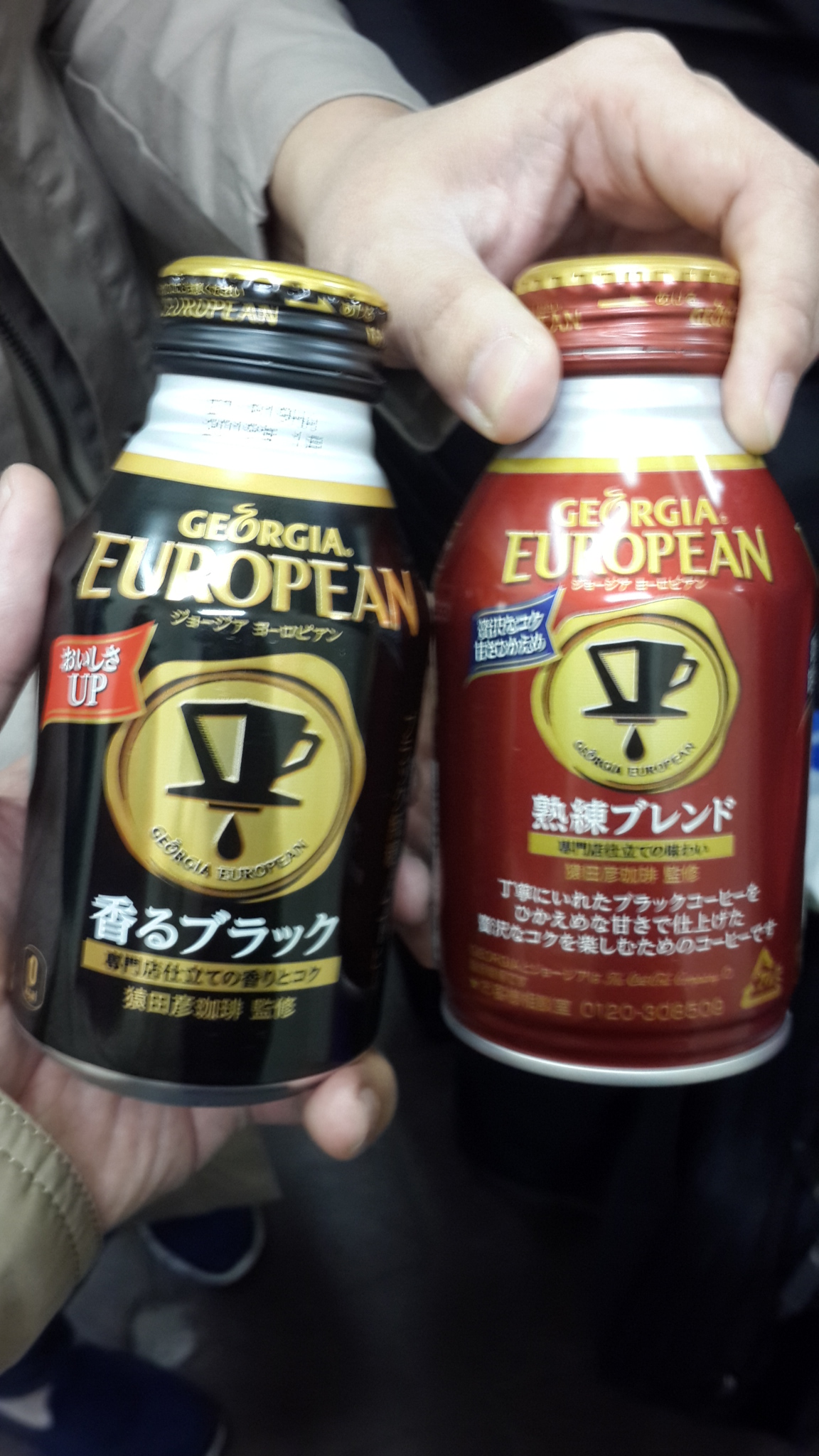
| 8.c. | From Kurobedaira we would continue on a ropeway to Daikanbo (2316 m), and continue to Murodo (2450 m) by Tunnel Trolley. | While waiting in line for the ropeway, we took the opportunity to get a toilet break and a hot drink from the vending machine. |
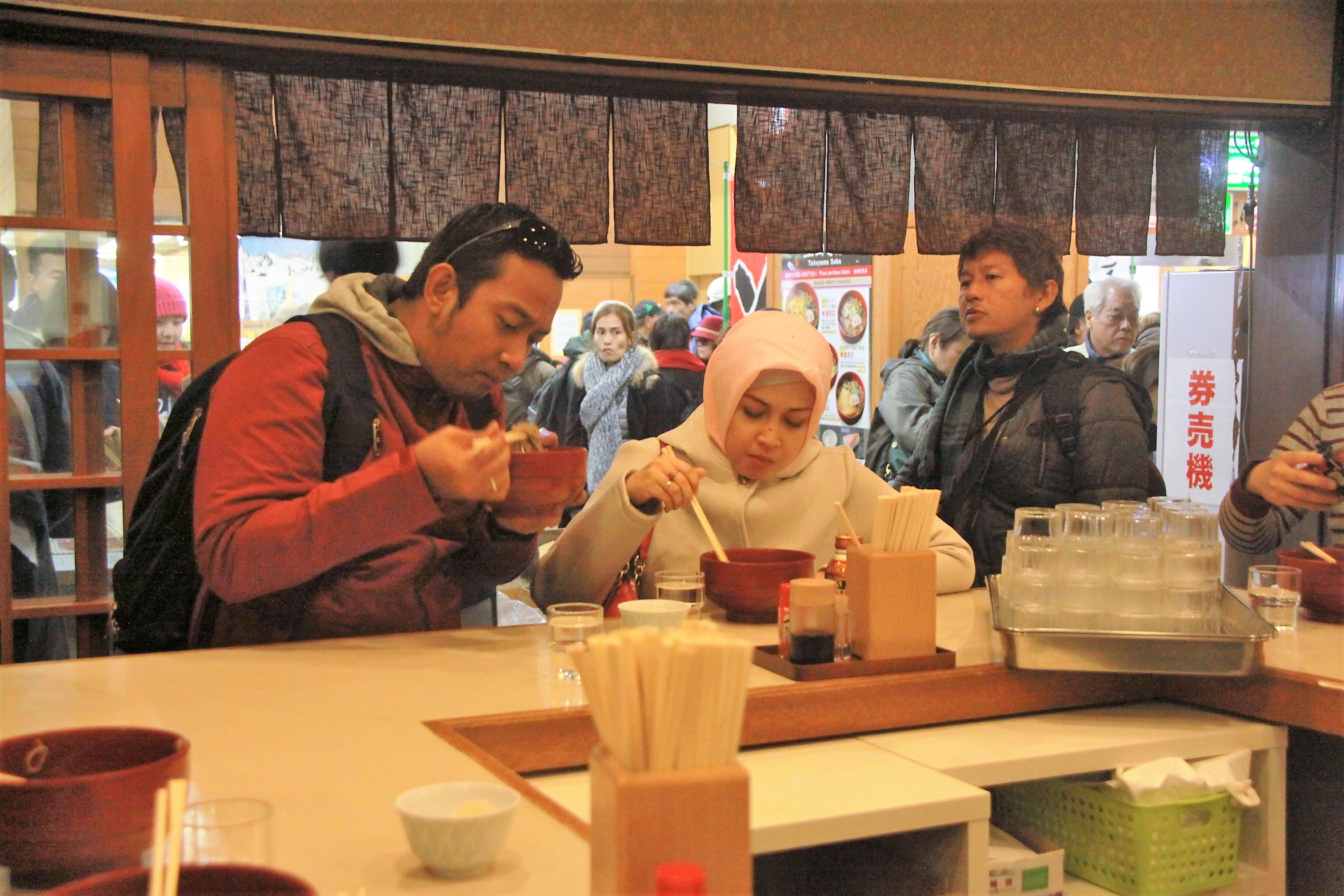
| 8.d. | We would stop at Murodo to rest, have lunch, and see the magnificent snow wall and surrounding landscape. | This is the main attraction of the Tateyama-Kurobe Alpine Route. There is a big station at Murodo. We found a standing restaurant in the station that served delicious udon. Afterward, we went out to see the star of the Tateyama-Kurobe Route: the majestic mountain view of the Tateyama Mountain Range, and the snow walls that flanked the road from Murodo station to Midagahara. |

| What we planned | What we did | |
| 8.e. | From Murodo we would continue to Bijodaira (977 m) by bus through a winding road, and by cable car to Tateyama Station (475 m). | The bus filled up quickly. We didn’t get soon enough and we had to sit on additional seats with no back. With the bus running and high speed down the winding road, it was enough to make you queasy. The cable car was not included in the Tateyama-Kurobe Pass, and we must buy tickets. |
| 8.f. | We would then continue to Toyama (0 m) by train, where our trip would end. | Here we parted ways with the elderly couple. They stopped at Toyama while we continued to Takayama. If you so choose, you can make Toyama your stop. It is a nice and quiet city with many eateries. There is also a direct bus from here to Shirakawa-go. |
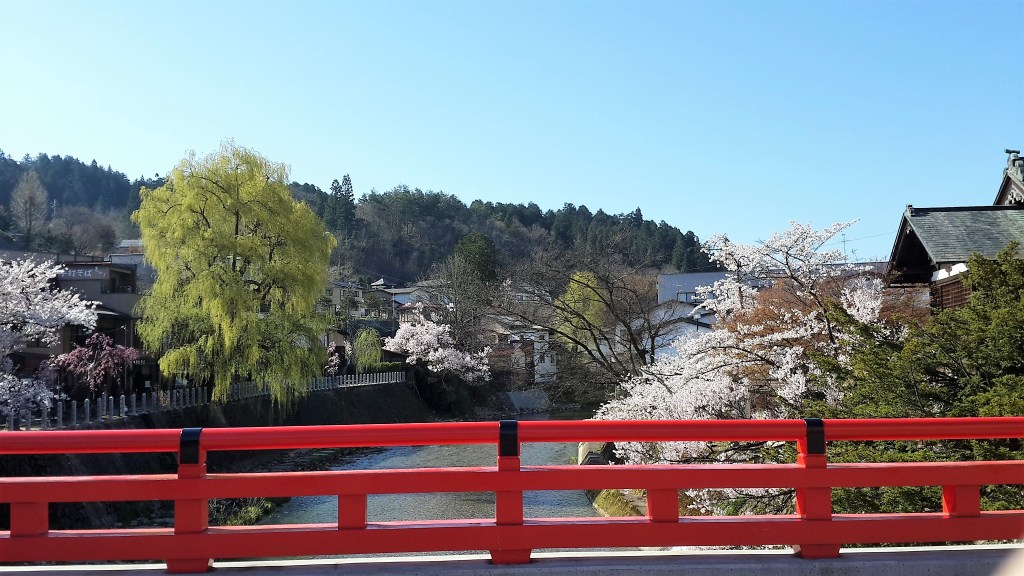
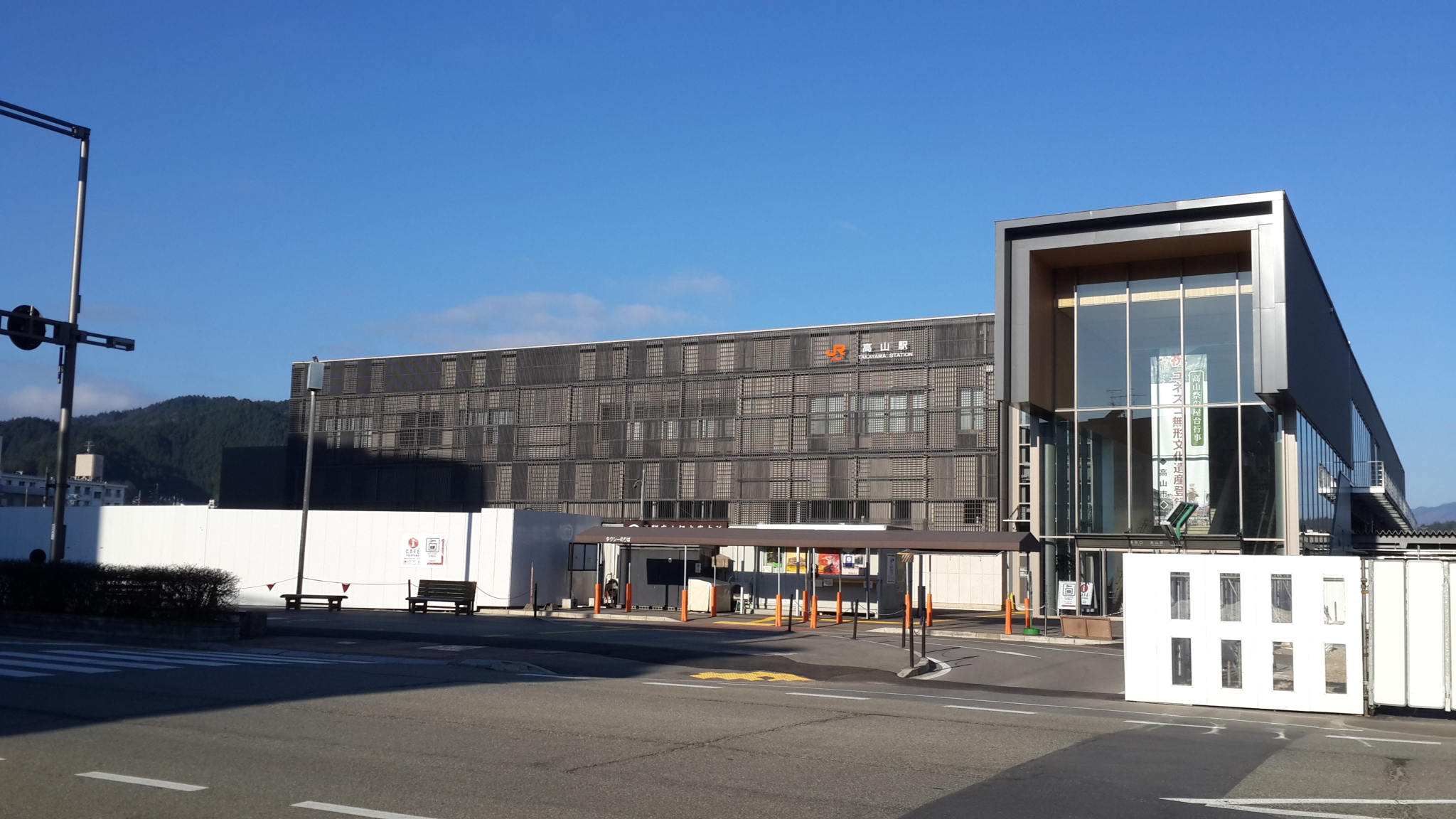
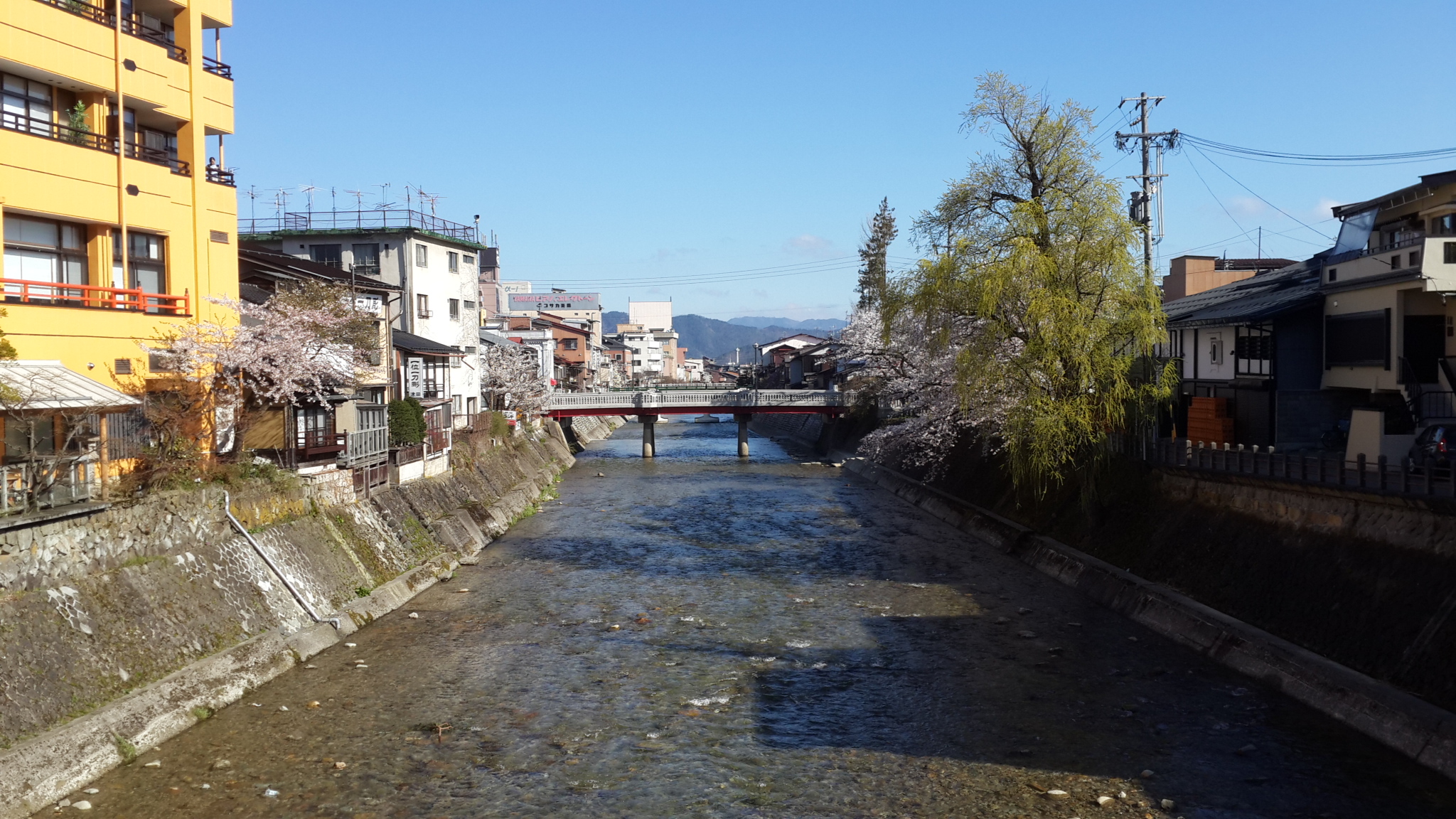
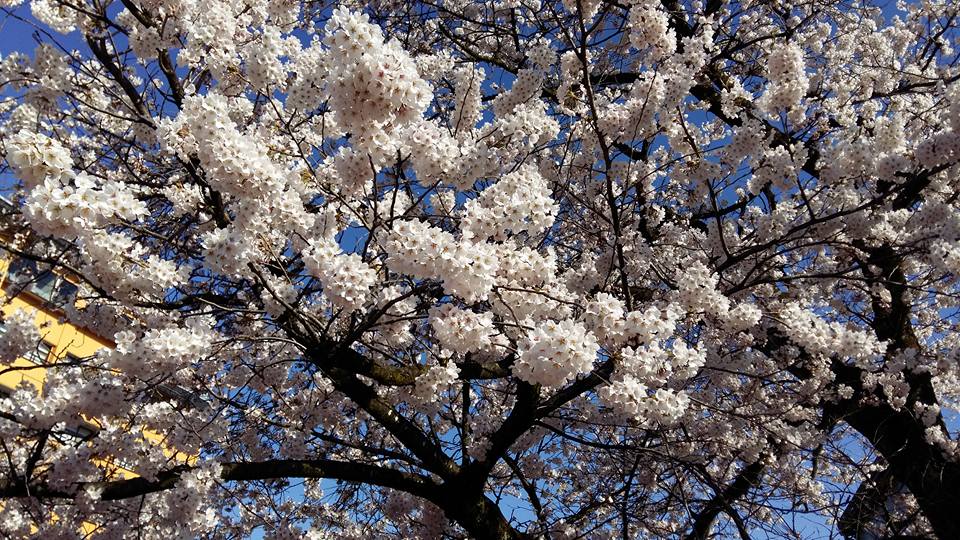
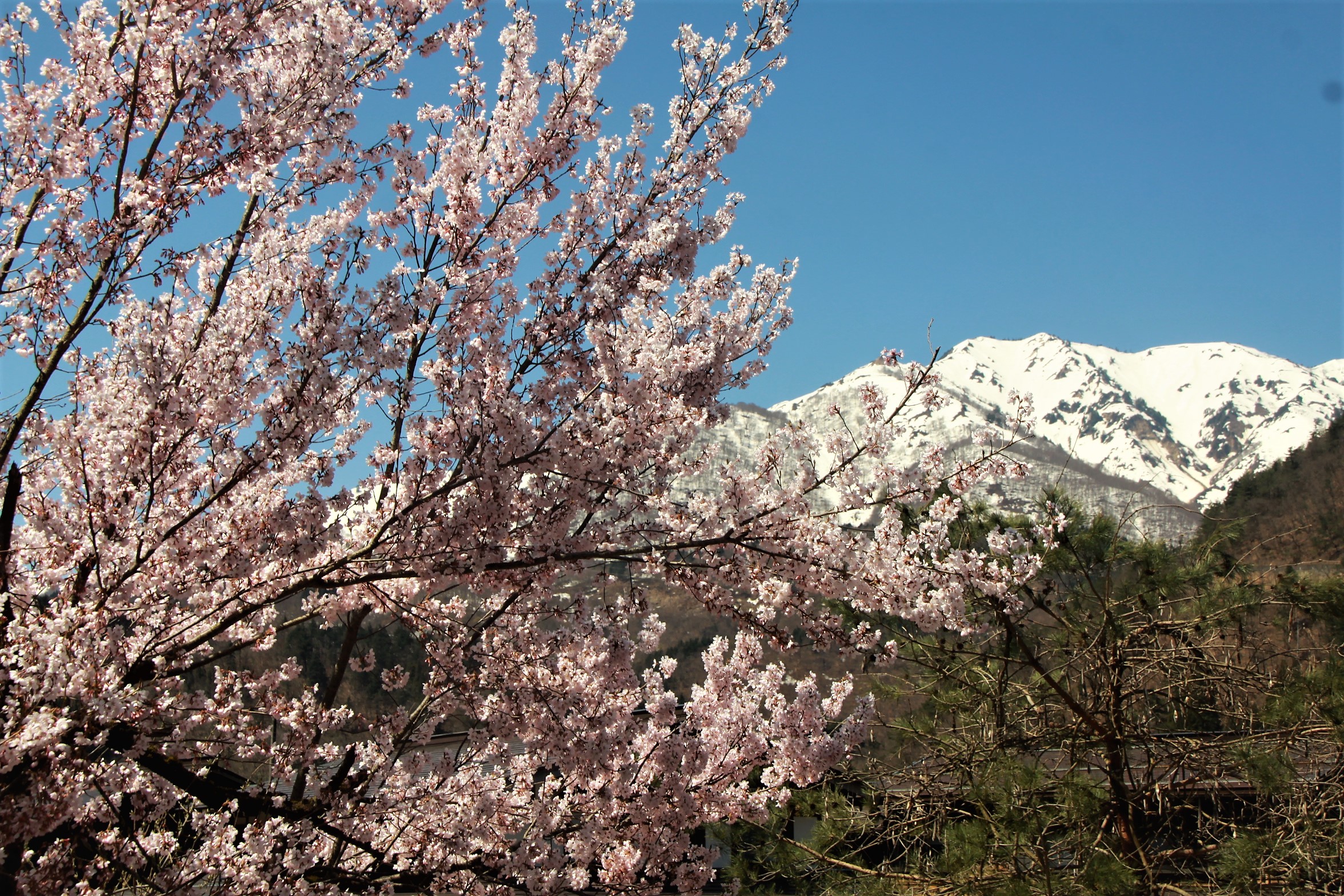
| 9 | We would directly take the train to Takayama, and spend the night there. | We chose Takayama because it is closer to Shirakawa-go. It was a lucky choice because in the morning we discovered that along the banks of the river that ran in the heart of the city there were rows and rows of cherry trees, and they were still in blossom! |
The Third Leg: Gifu Prefecture
The Hidden Beauty of Takayama
Takayama retains a traditional touch like few other Japanese cities, especially in its beautifully preserved old town. It now ranks as one of the prime candidates among travelers wishing to add a rural element into their itineraries.
Takayama gained importance as a source of high quality timber and highly skilled carpenters during the feudal ages. The city was consequently put under direct control of the shogun and enjoyed quite a bit of prosperity considering its remote mountain location. The Takayama Festival, held in spring and autumn, is considered one of Japan’s best festivals.
http://www.japan-guide.com
One thing that we did not find in travel guides was how beautiful Takayama was during the sakura season. Too bad we couldn’t stay longer.


Tradition of Shirakawa-go
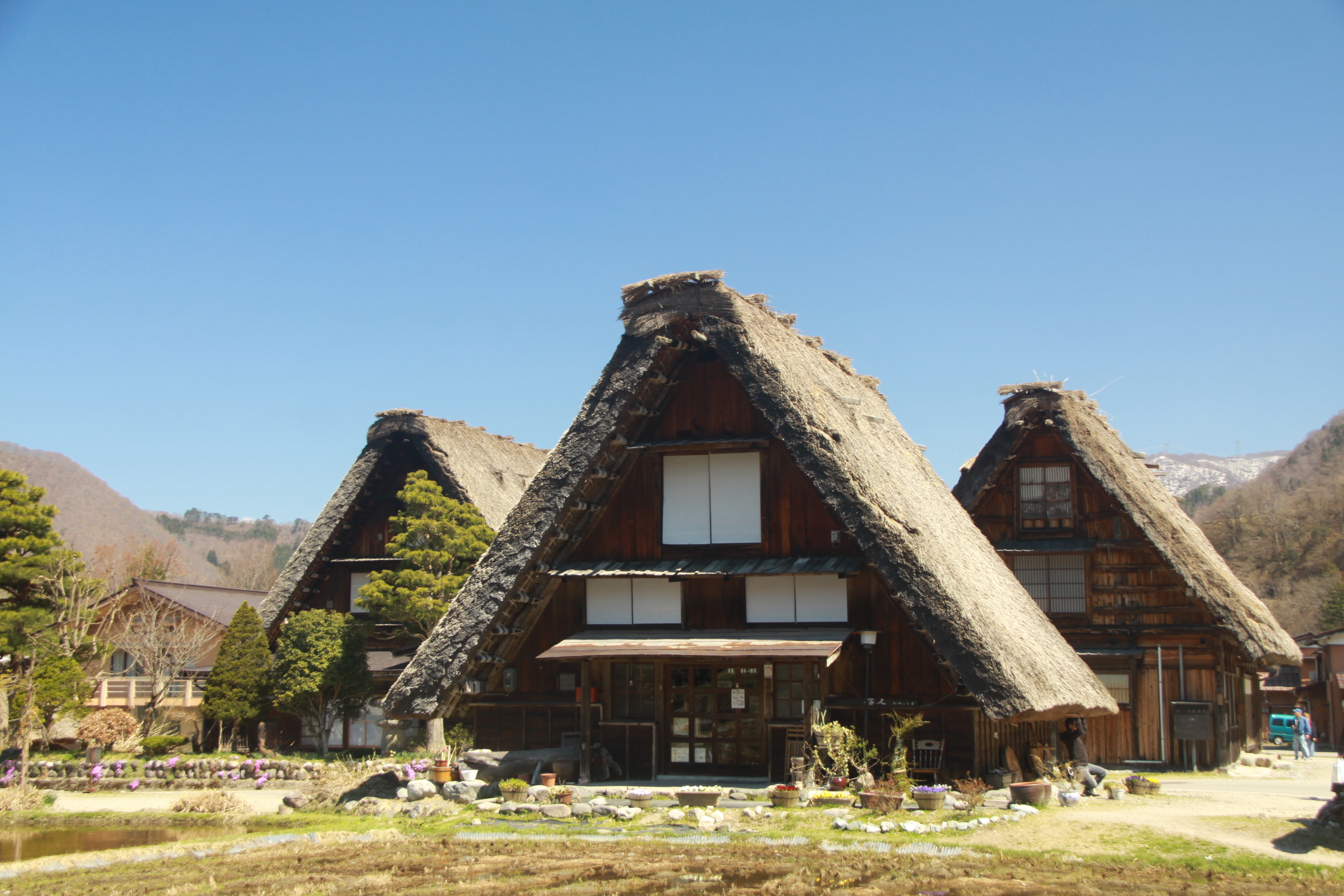
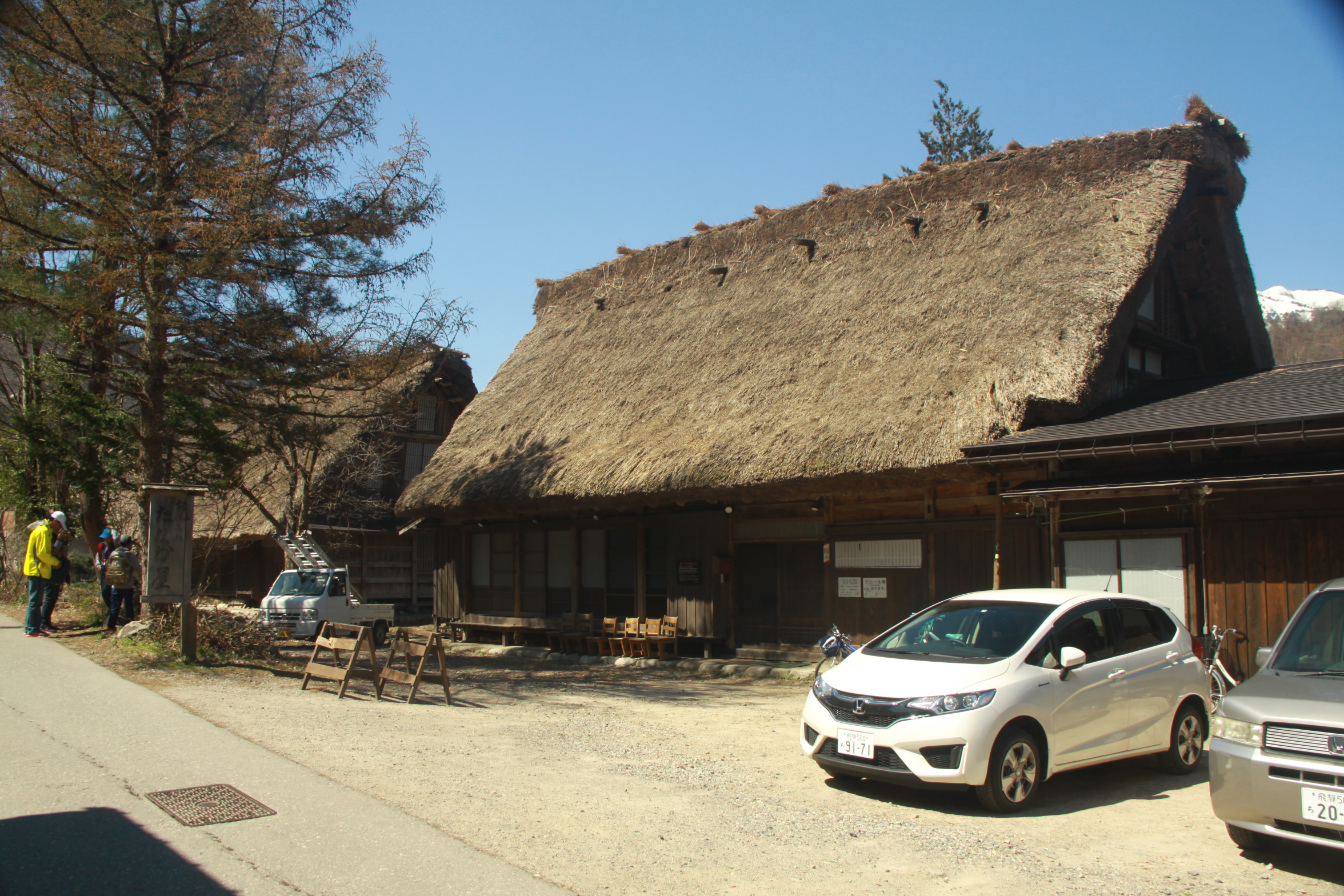
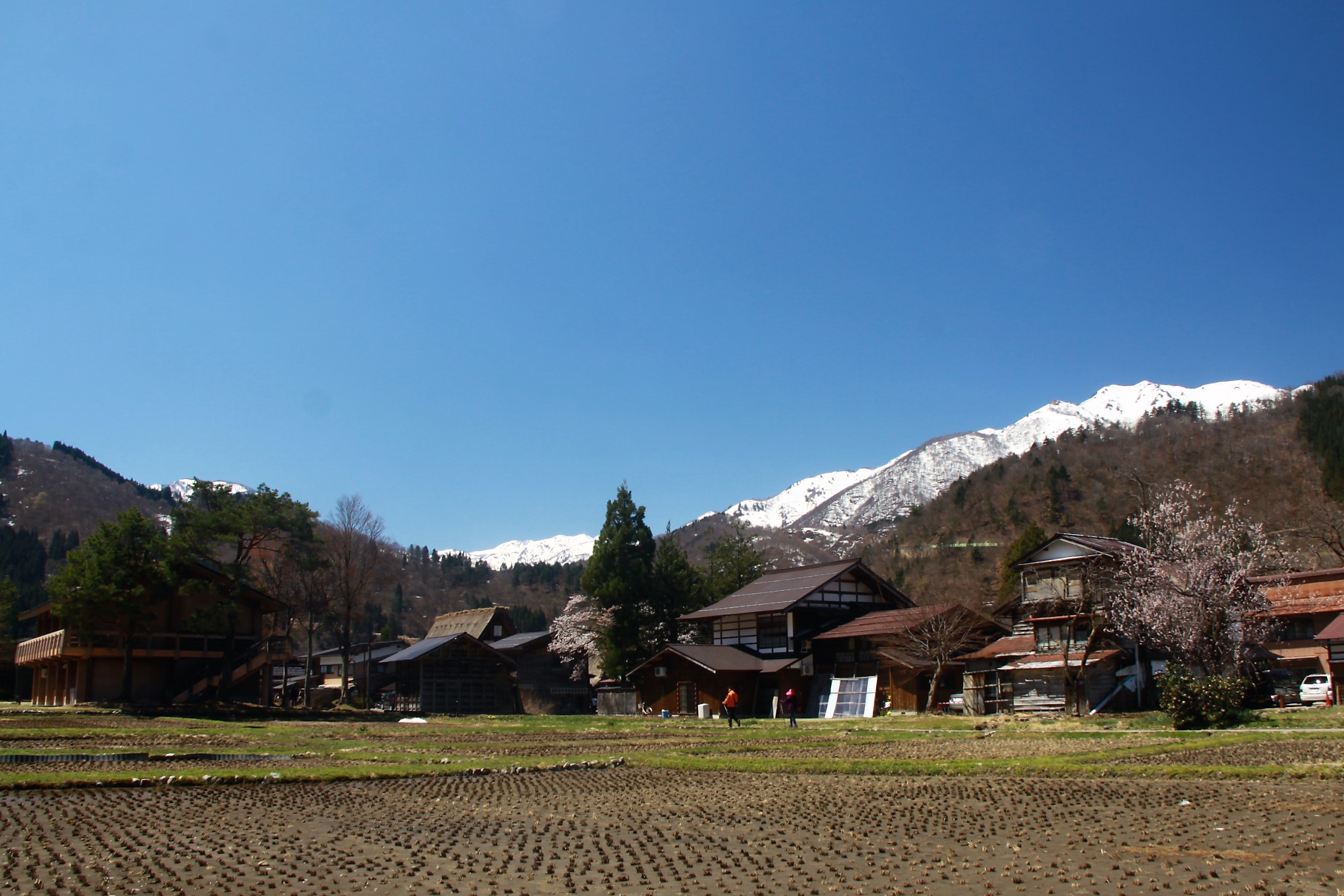
Shirakawa-go is a small village in the Shogawa River Valley. In 1995, the village was declared a UNESCO world heritage site for the famous traditional gassho-zukuri farmhouses. The houses were built like the thatched roofs so steep they resemble hands in prayer. The roof structure was designed so the houses can stand heavy snow.
The village is an actual, living village. The population is mostly rice farmers. They work together to maintain the hundreds of years old houses, especially when it is time for a house to have its roof replaced. Every night groups of people patrol the village to guard against fire that can destroy the wooden houses.
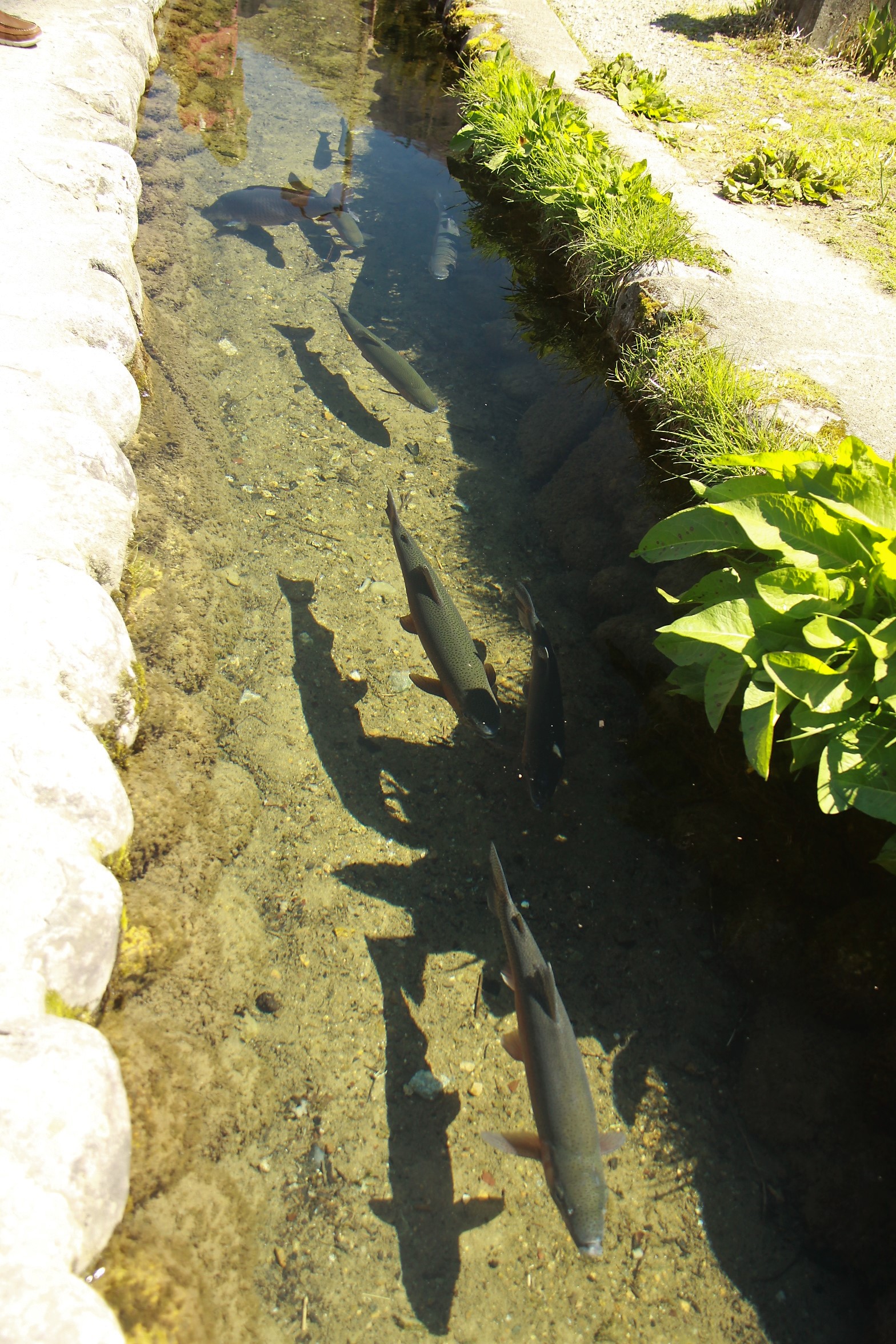
Although old and traditional, the village is so clean even the water running in the gutter is clear and you can see fish swimming in it.
In 2015, we have visited Kenroku-en in Kanazawa, Gifu Prefecture. But we were so short of time we did not make it to see Shirakawa-go. That is why it was on our list for this trip.

| What we planned | What we did | |
| 10. | We would buy bus tickets, and take the roughly one-hour trip to Shirakawa-Go. | Because we arrived late at night, the station where we should take our ride to Shirakawa-go was already closed, so we must get our tickets the next morning. Due to a high number of visitors to Shirakawa-Go, the bus tickets were sold out quickly. We could not get tickets for an earlier departure. It would be better to buy the bus ticket on the day before. But on the bright side, we had enough time to stroll around and enjoy the Sakura along the Miyagawa River in Takayama. |
| 11. | We would spend the morning sightseeing around the traditional village of Shirakawa-Go. | Shirakawa-Go is most amazing in the morning. So getting here early is crucial. We arrived there quite late, and the sun was already high. The light was not ideal to take pictures of the charming old village. |
The Fourth Leg: Ishikawa Prefecture
Fresh Kanazawa
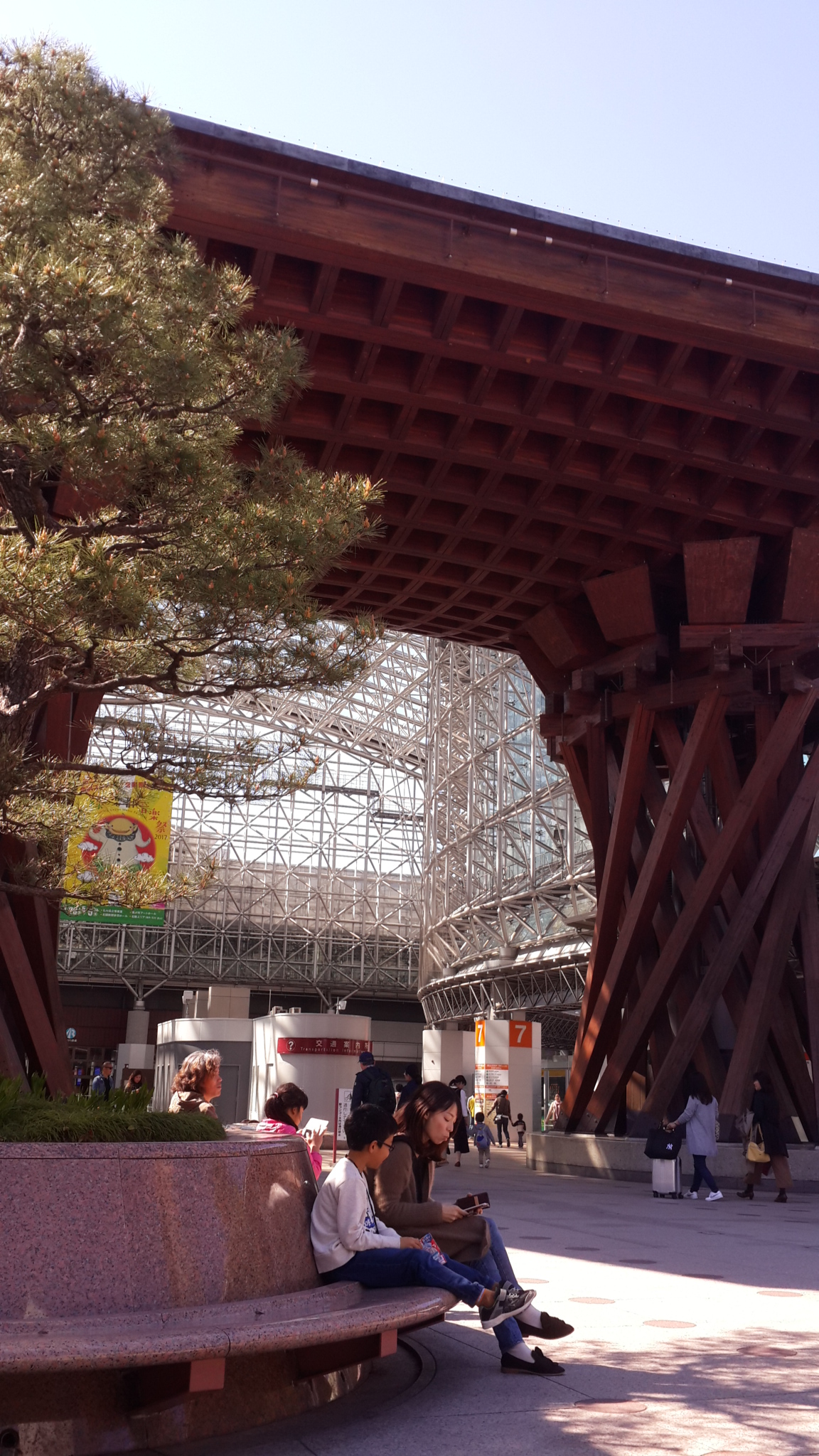
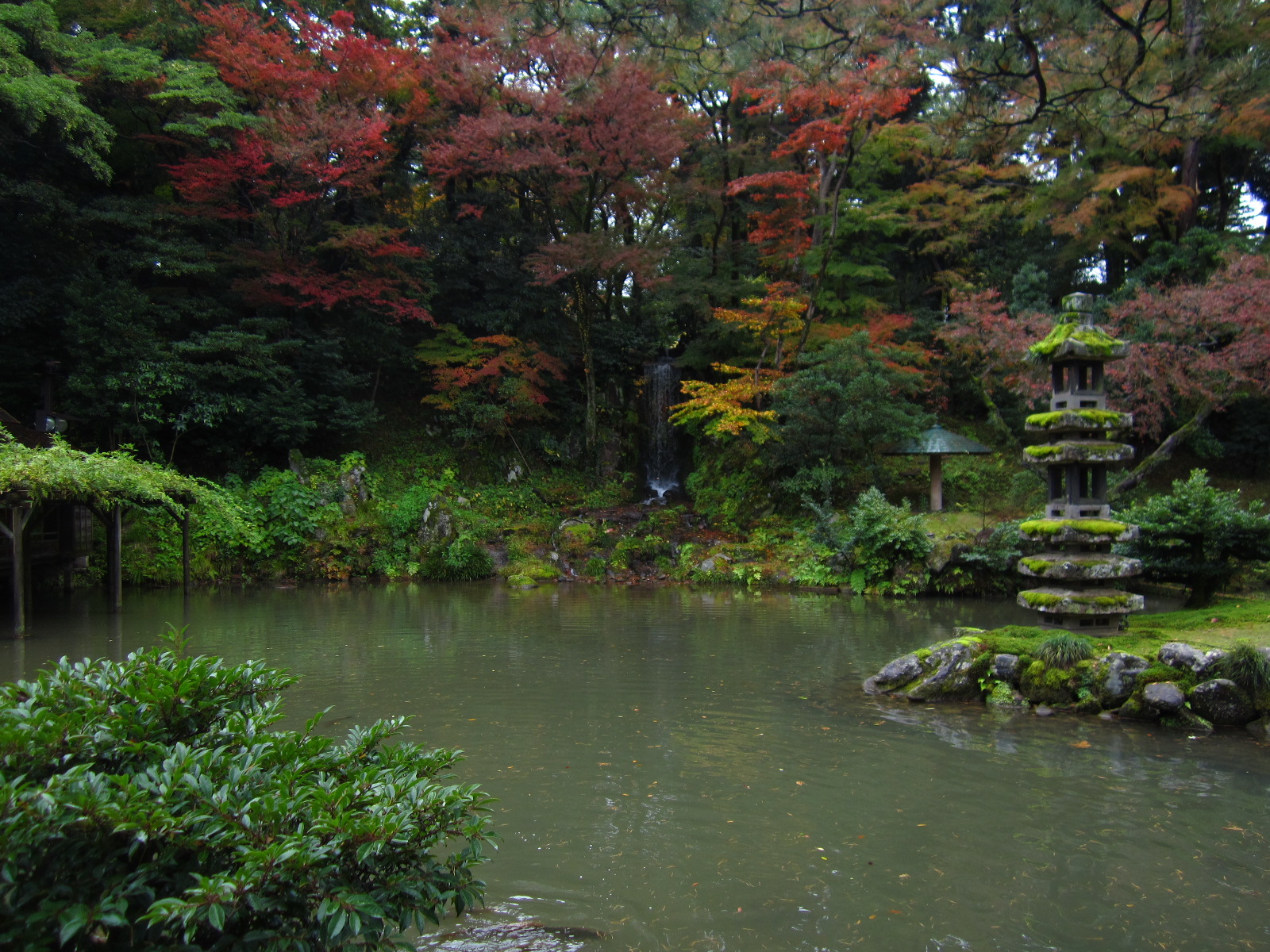
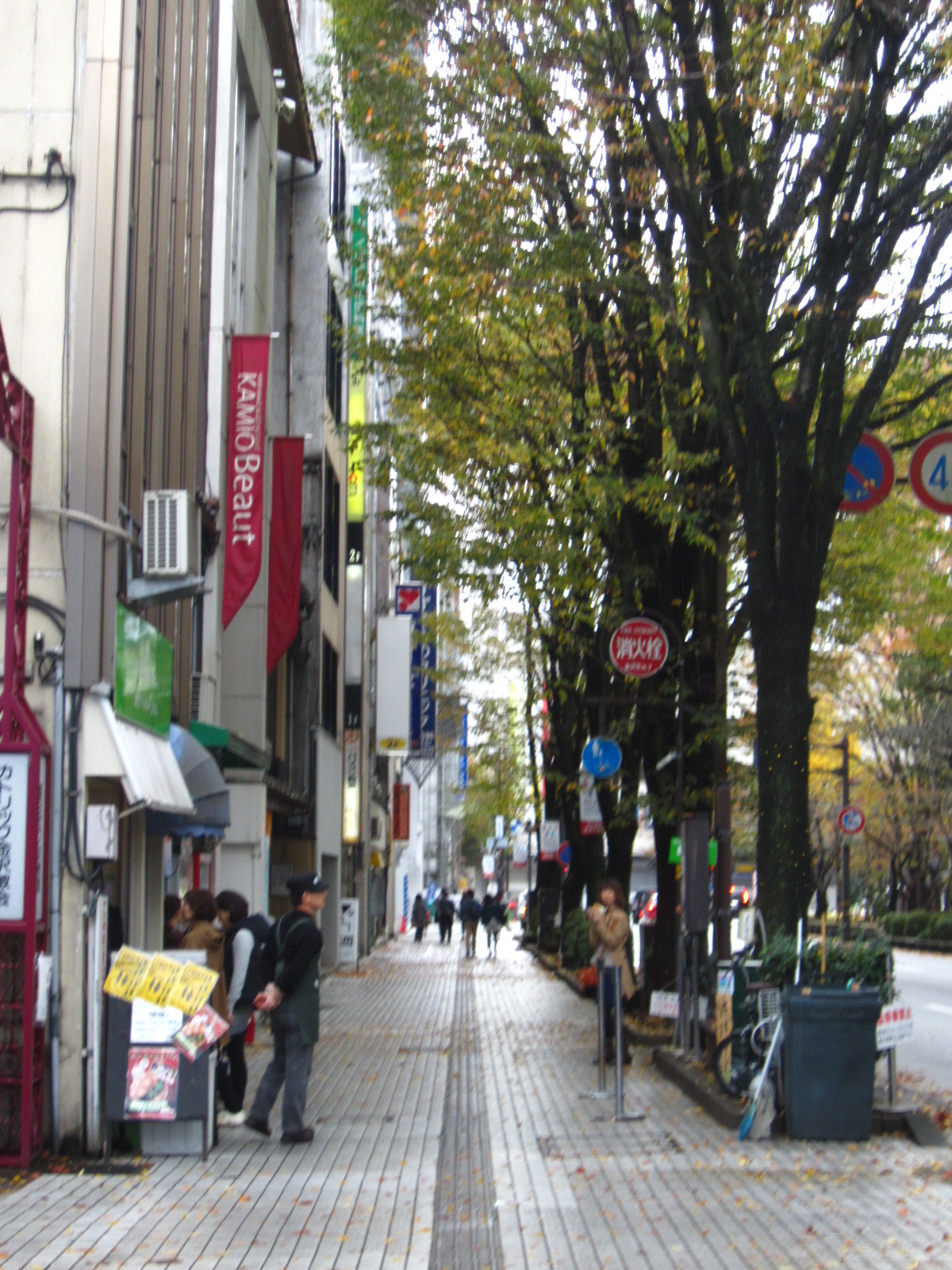
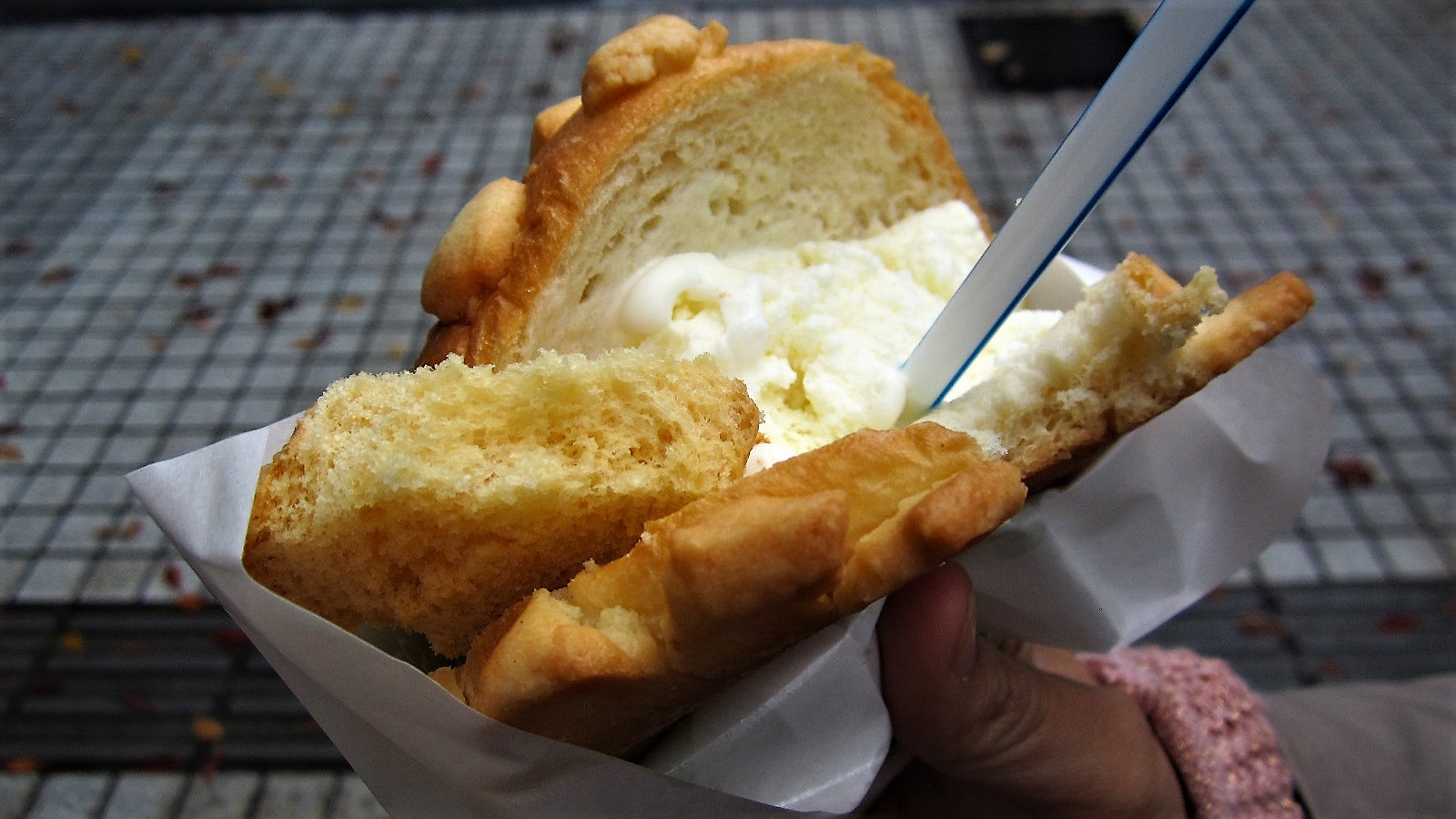
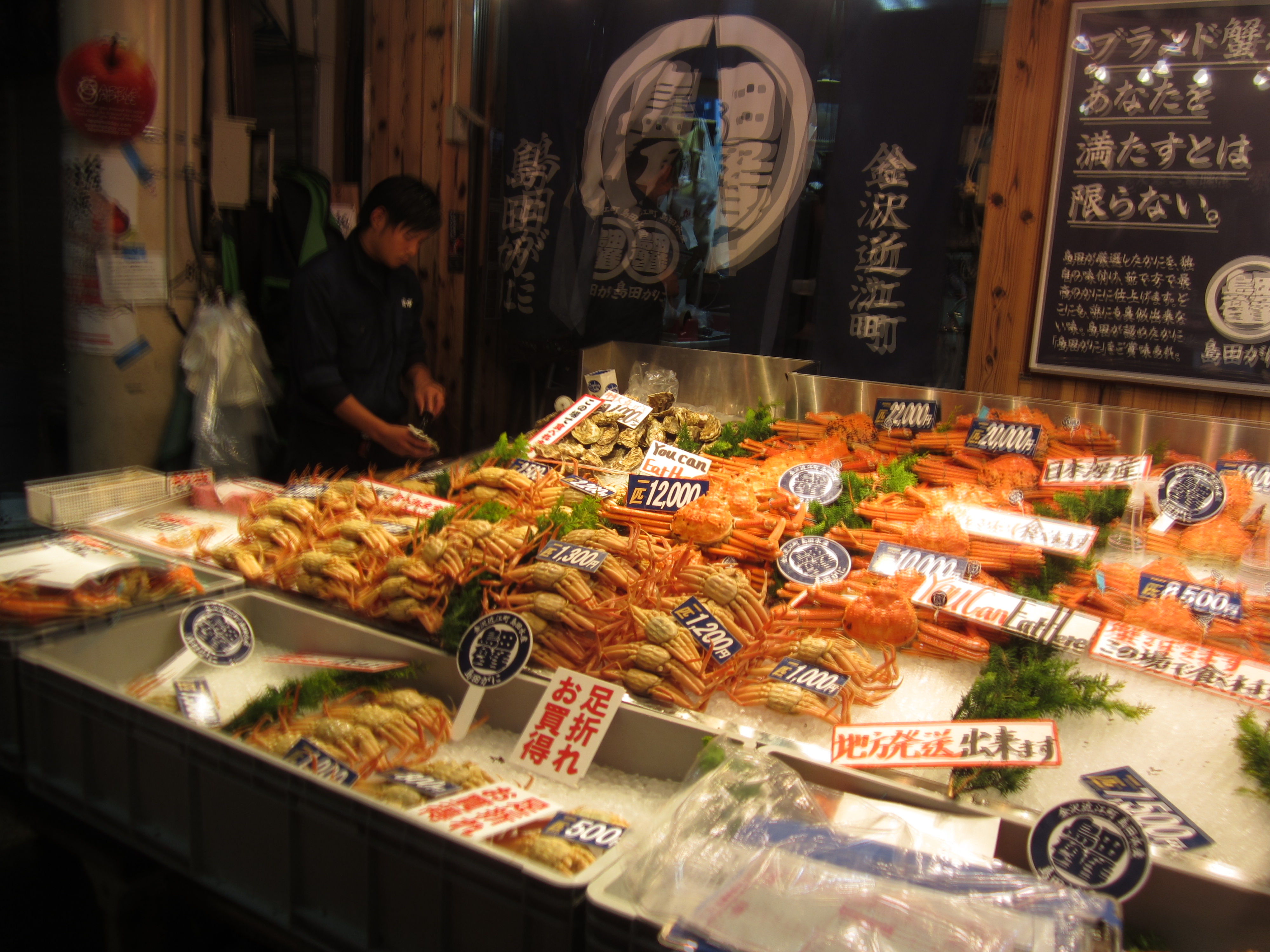
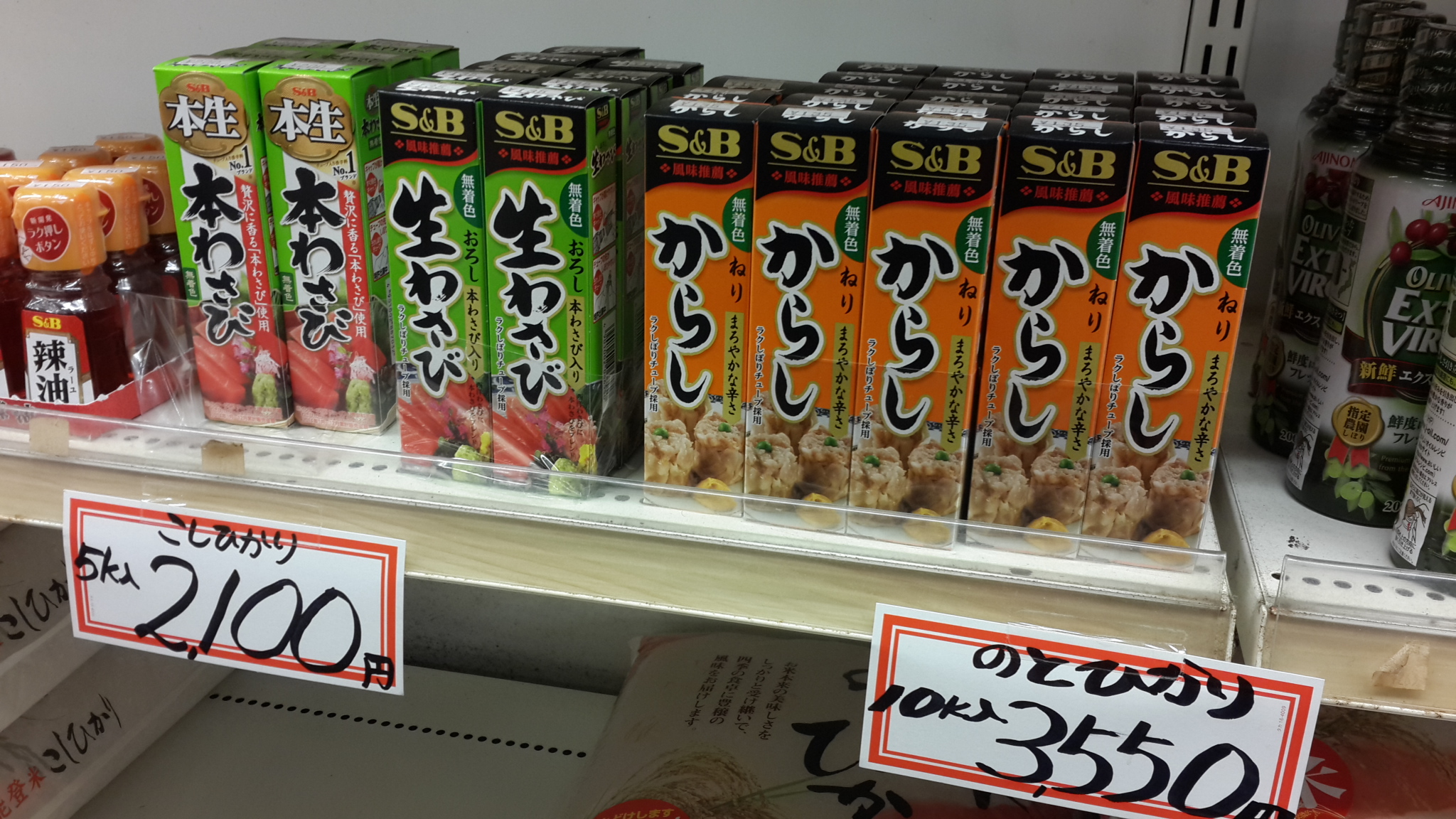
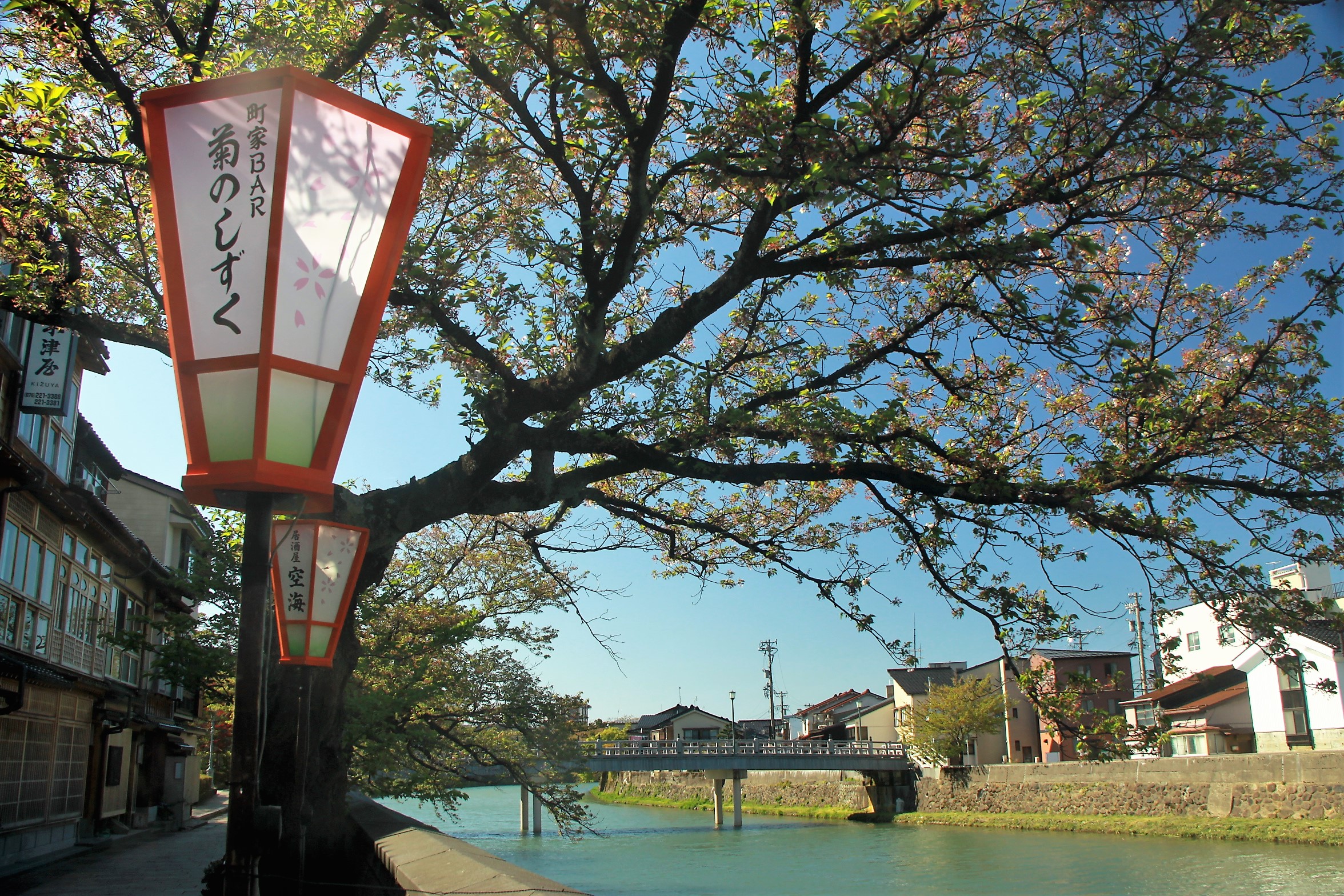
Kanazawa has a lot to offer. If you have more time, make sure to check the Keroku-en Garden. The garden is so beautiful in autumn colors. You can find great eateries downtown. Also, try the Omicho market where you can find Kanazawa’s freshest sea produce. You can buy and eat raw crab right there from the stall. If that is too extreme for you, try the sushi restaurant in the market. You would definitely love it!


| What we Planned | What we did | |
| 12. | We would take the bus from Shirakawa-Go to Kanazawa and have lunch there. | Buy the bus ticket to the next stop as soon as you arrive in Shirakawa-Go. Otherwise, you may run out of seats for the schedule you want. |
| 13. | After lunch, we would take the bus to the Higashi-Chaya district. This is a Geisha district in Kanazawa. There are tea houses where you can enjoy traditional Japanese tea | Higashi-Chaya is very quiet in the afternoon. Being a Geisha district, it doesn’t get busy until after dark. But it is a nice place to stroll around and take pictures. We stopped at a tea house for a drink, and it was grand! |
| 14. | We would return to Kanazawa Station by bus and take the Express train to Kyoto. | The bus from Higashi-Chaya to the Kanazawa station took a peculiar route. Don’t simply take a bus running in the direction of the station. The bus we took headed in the opposite direction first before turning back toward the station. There is no Shinkansen that serves a direct route from Kanazawa to Kyoto, but the express train is just as efficient. |
| 15. | In Kyoto, we would check in to our hotel and retrieve the luggage that we sent from Narita. We have dinner and rest. |
Side Note: Luggage Forwarding and Hotels
Most hotels in Japan are willing to take luggage several days before your arrival date. Just give the details of your stay to the forwarder so they can make note and tell the hotel that you are coming. The hotel will receive your luggage and keep it in their deposit. We had to pay ¥2,000 per piece of luggage. It might sound expensive, but it saves us a lot of energy.

Big 5-star hotels may have a large number of suitcases in their deposit. You can go directly to front desk to ask for your luggage by showing a copy of the forwarding receipt. They may ask you to wait in your room and they will find and deliver your luggage to you (no tip required). But in 3- and 4- star hotels, they usually have your luggage ready for you at your arrival date.

On your check-out date, hotels are usually happy to keep your luggage while you do some last minute exploration before leaving town.
The Fifth Leg: Osaka Prefecture
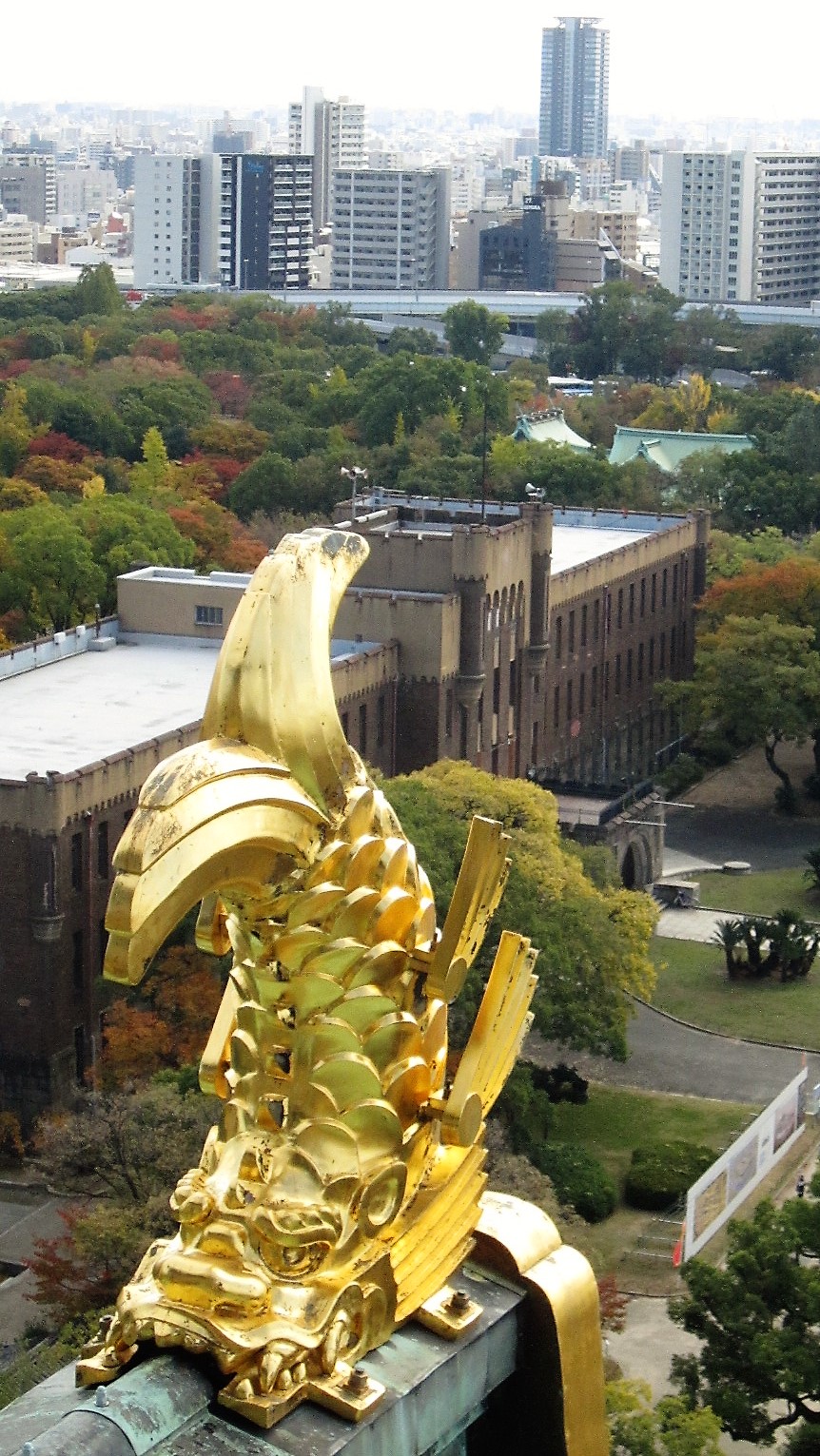
Dynamic Osaka
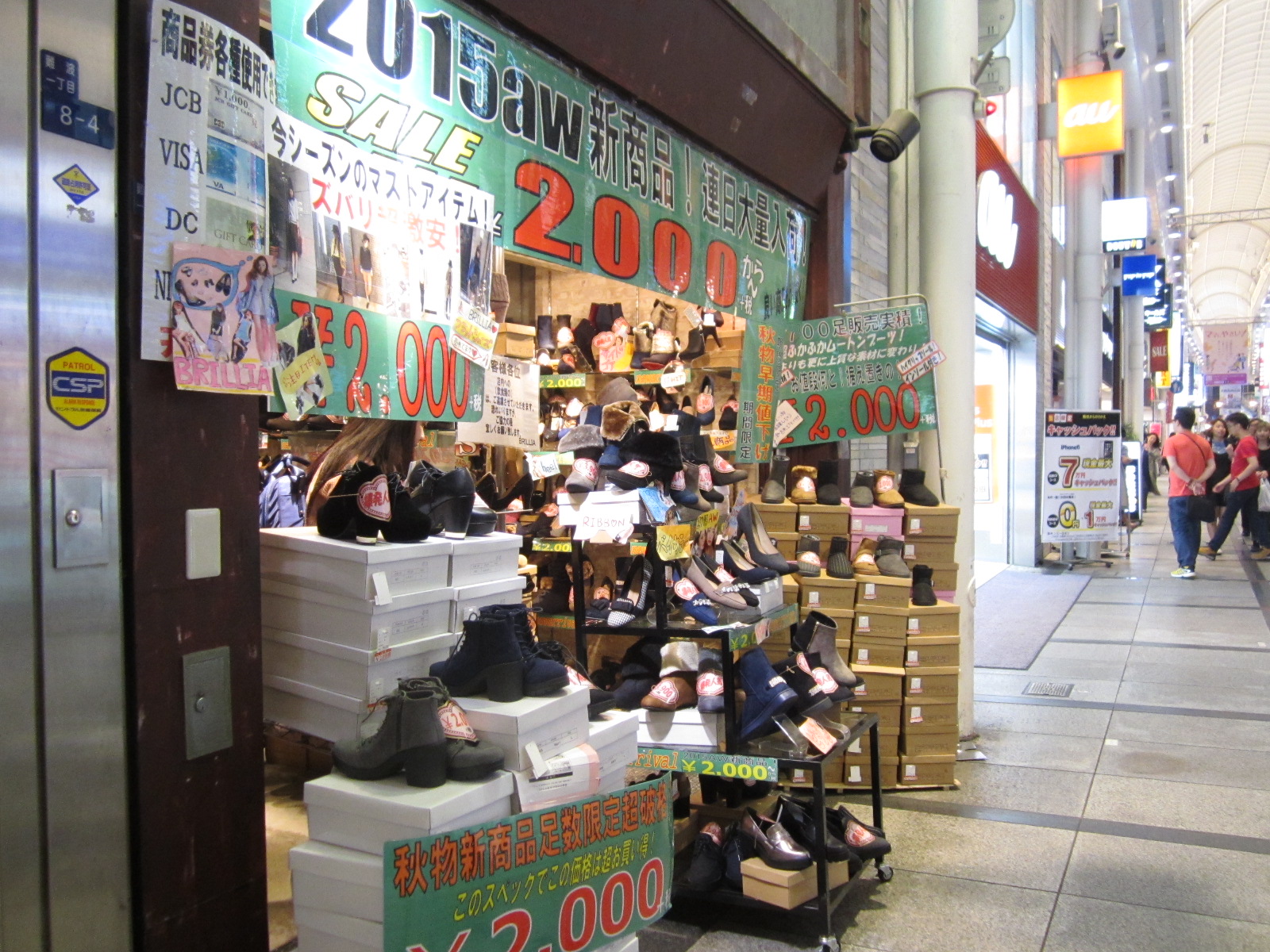
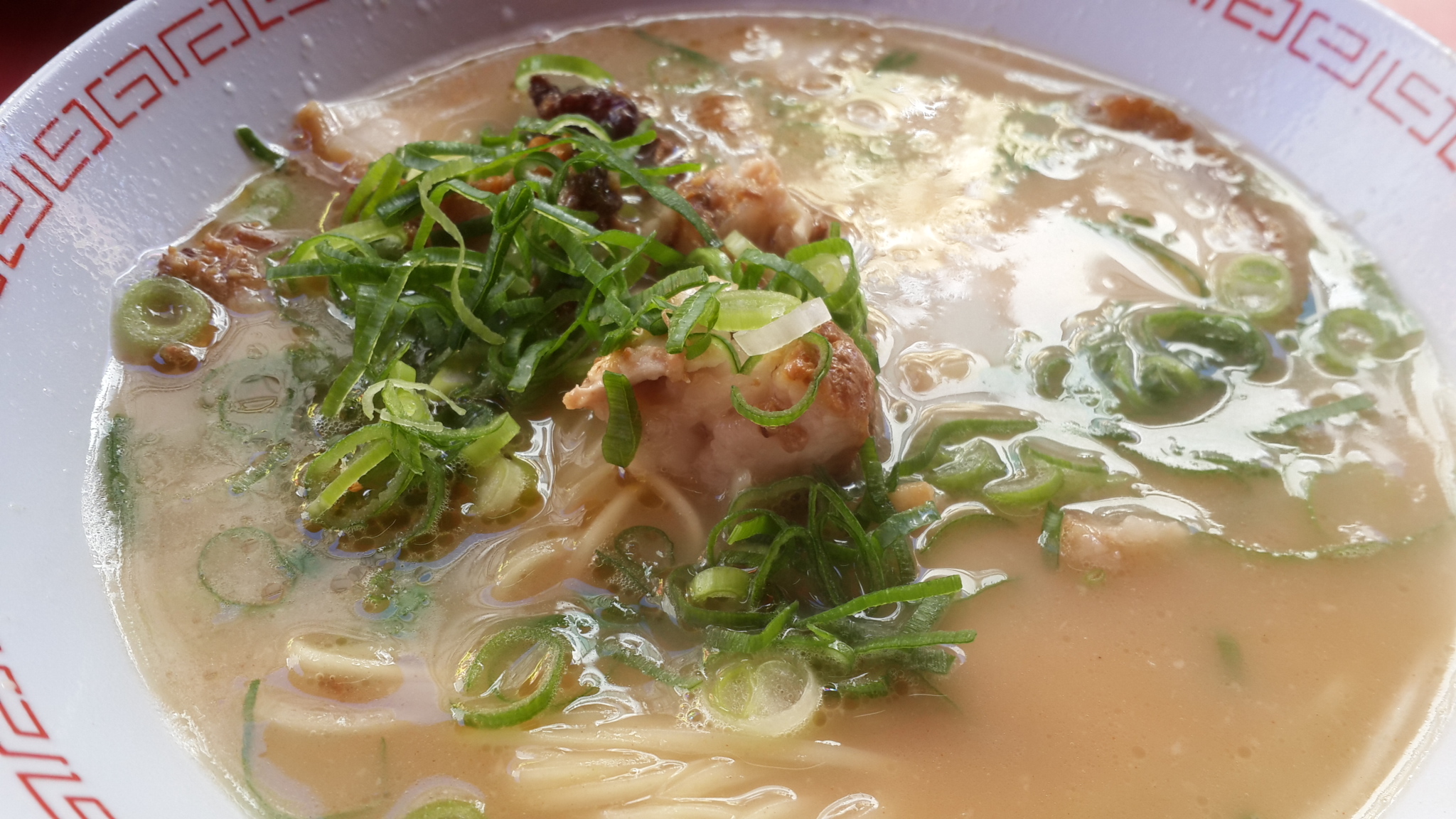
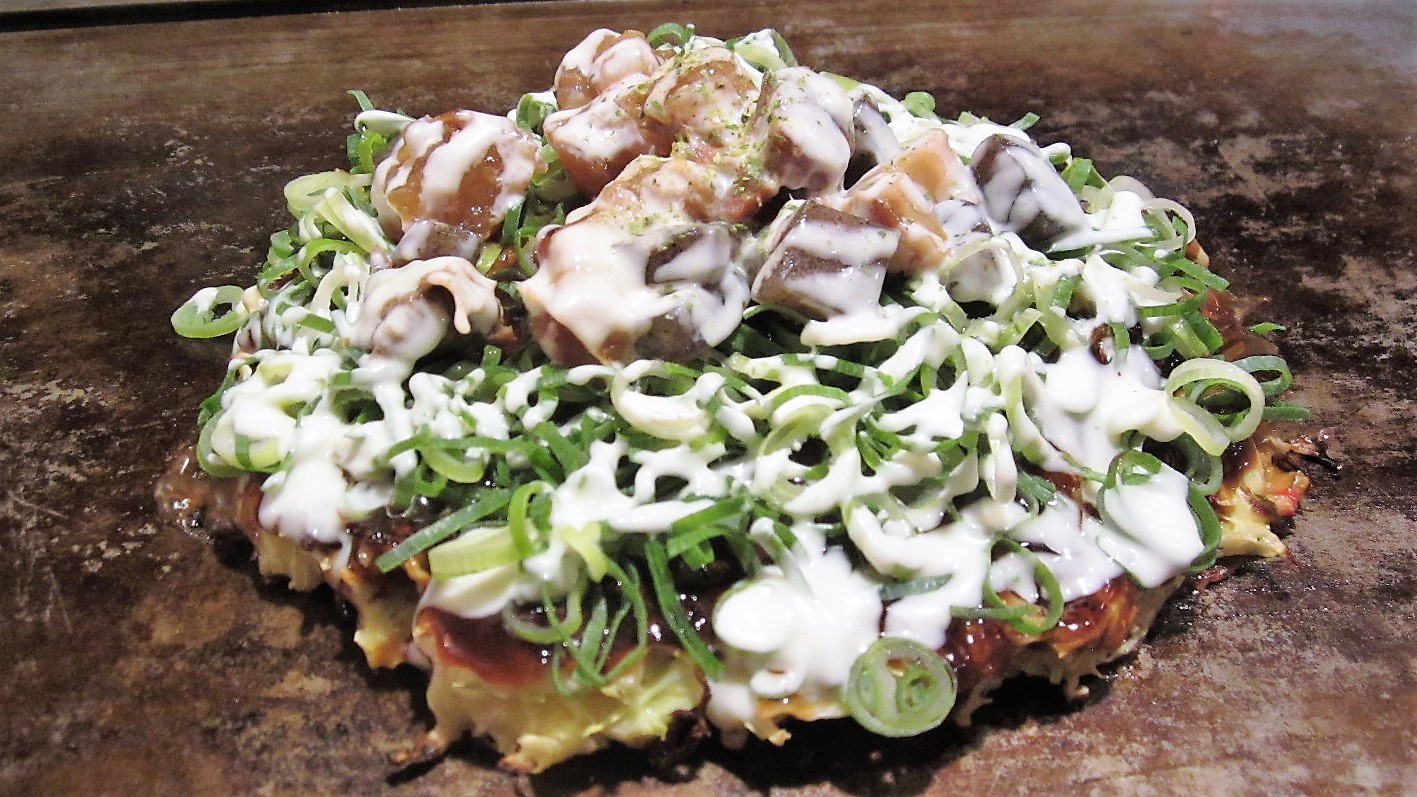
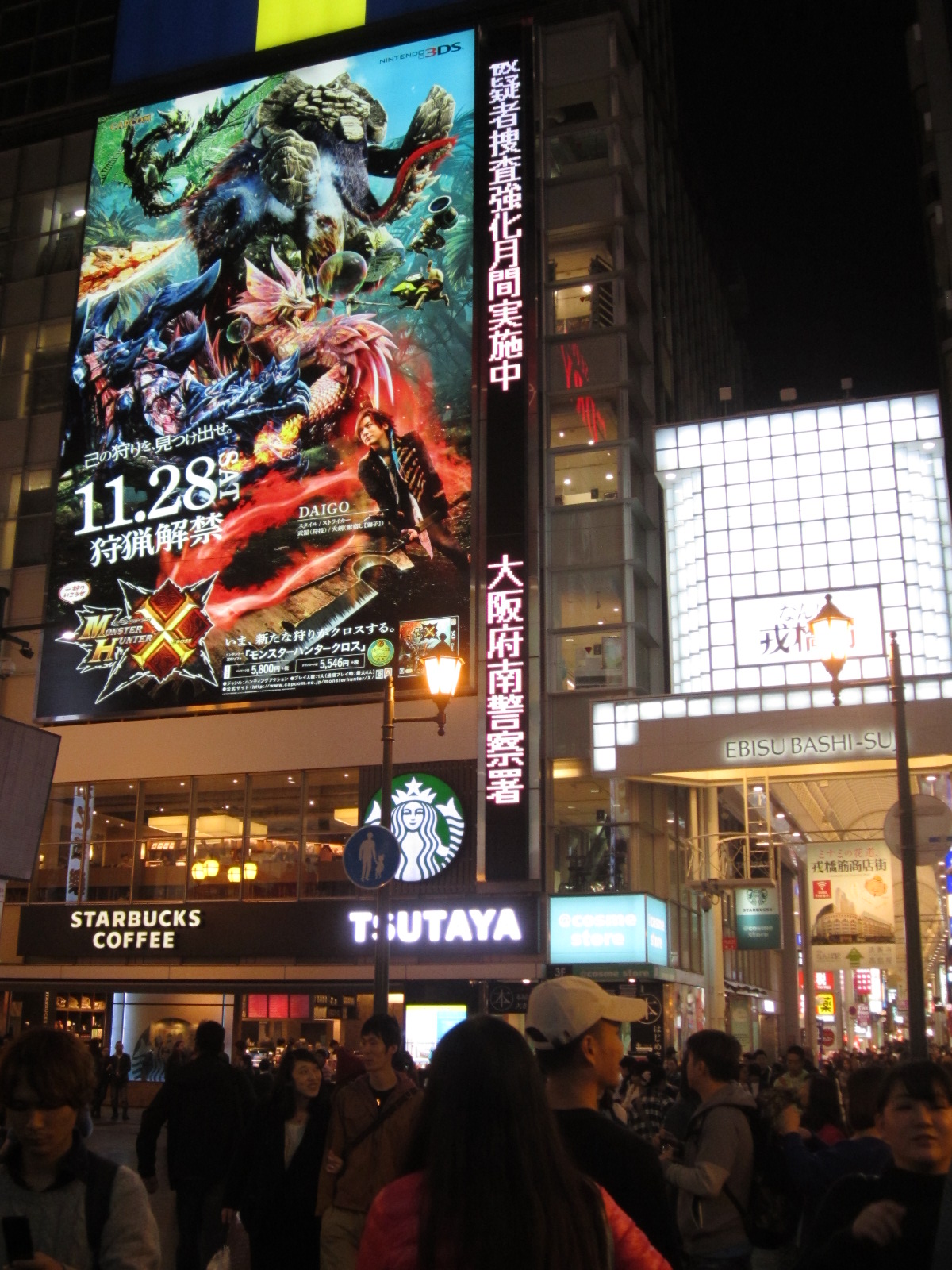
Osaka is a lot of fun. When we first came to the city in 2015, we had the impression that Osaka people were in general friendlier than their Tokyo counterparts. You get smiles from shop owners, even when you are just looking around with no intention to buy. You could say that it is our favorite city in Japan.
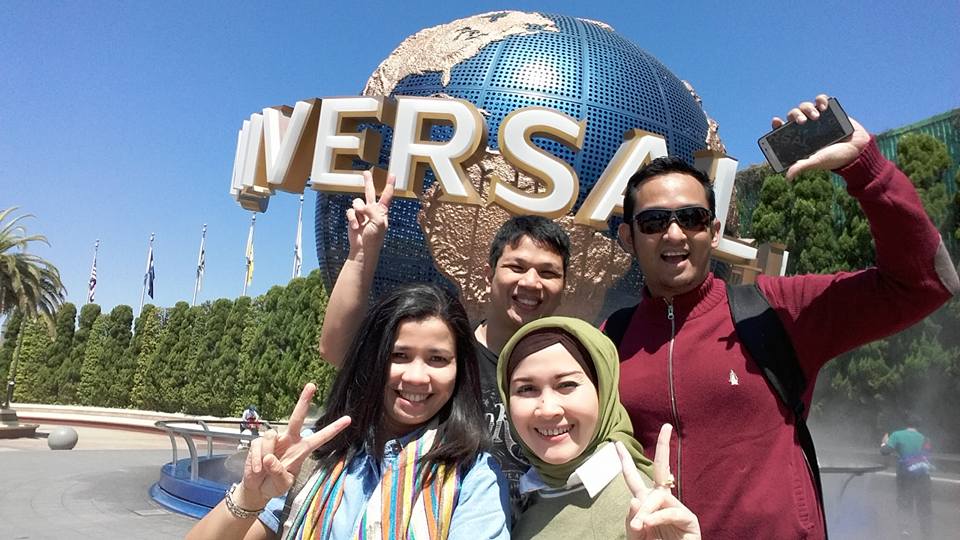
Universal Studios is a great attraction to visit. But don’t forget to see the downtown. Enjoy shopping in Namba and nightlife in Dotonburi.

| What we planned | What we did | |
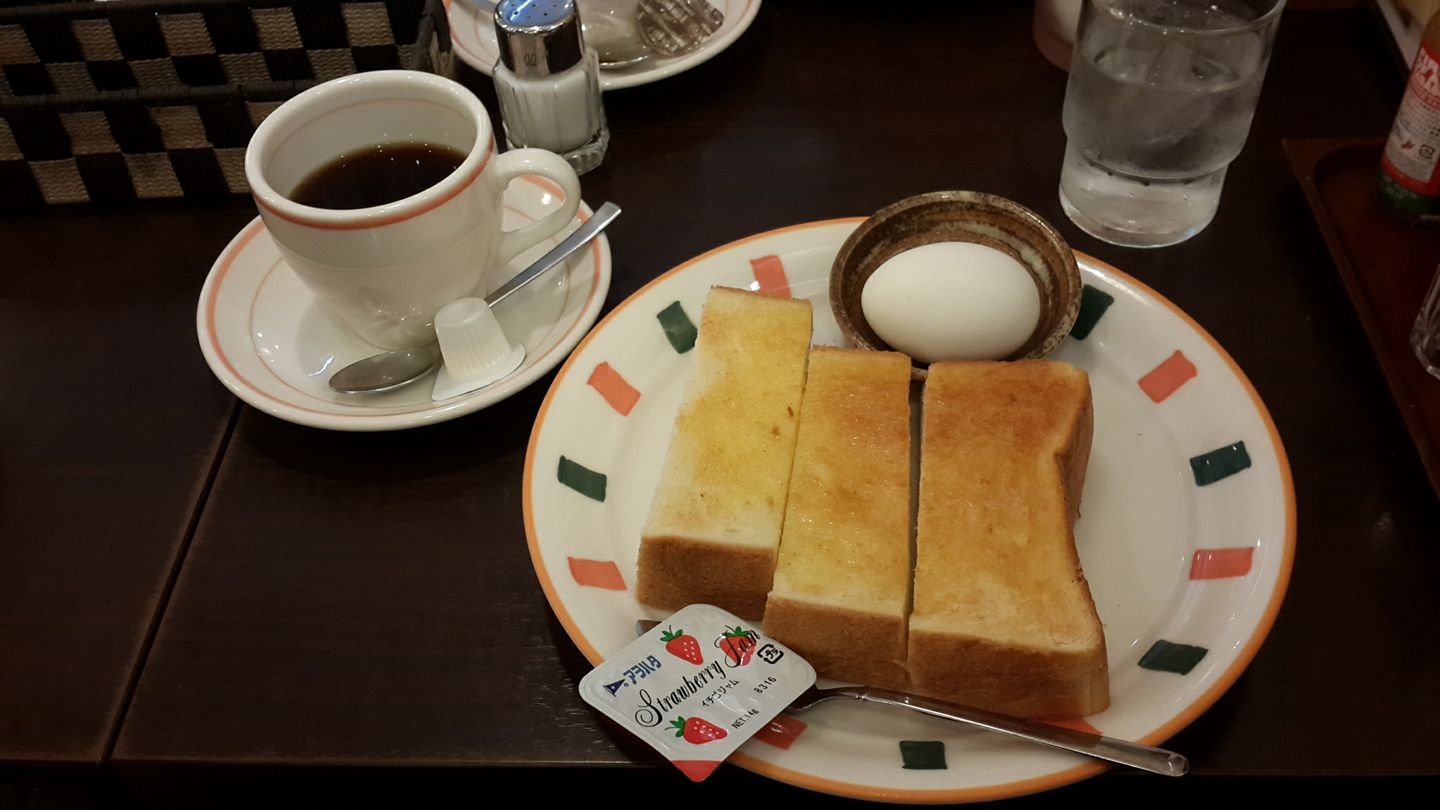
| 16. | In the morning, we would have breakfast somewhere near the hotel | We happened to find an Italian restaurant in Kyoto Station that opened early for breakfast. They serve breakfast meals at affordable prices, free-flow coffee or tea included. |
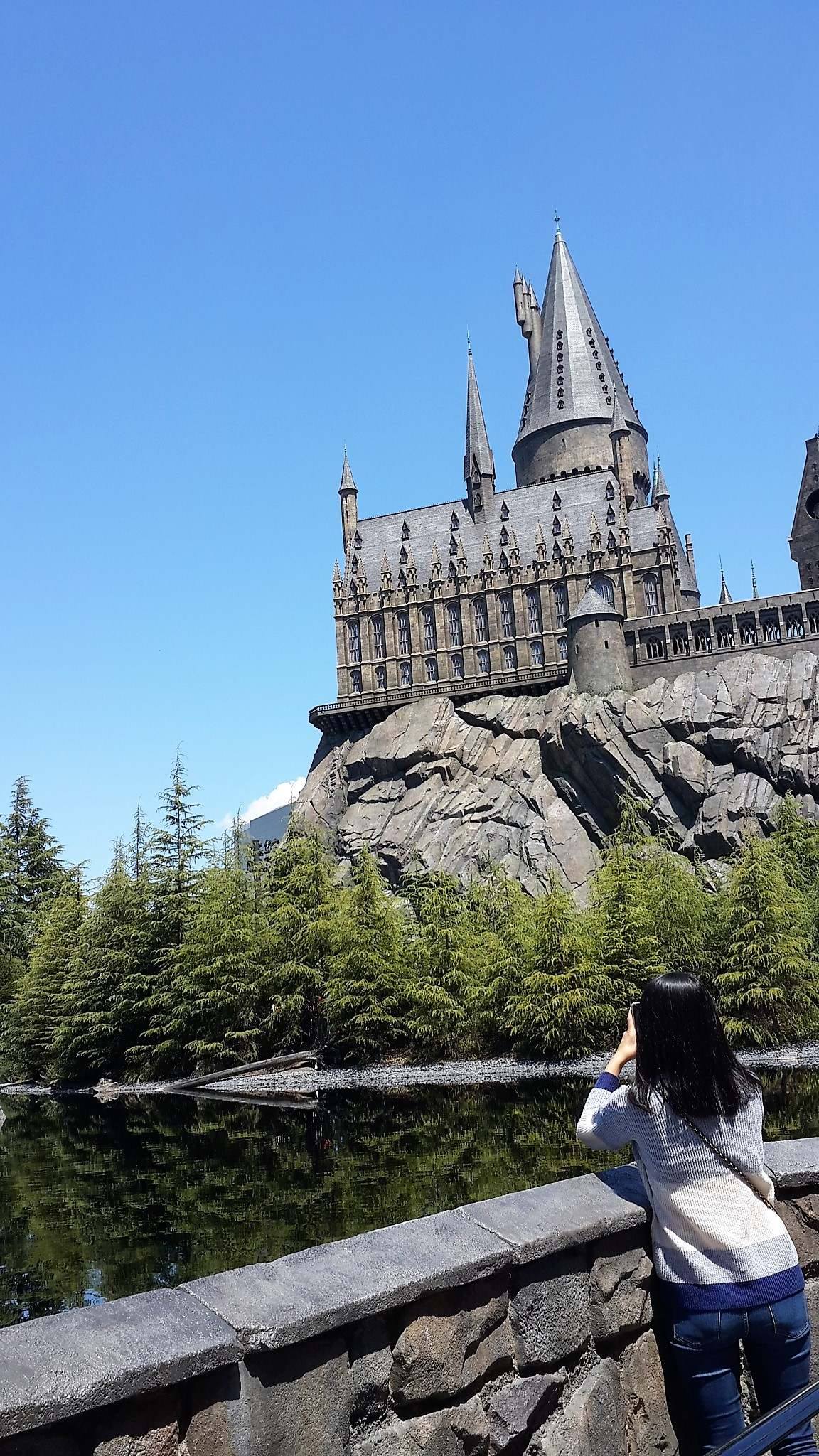
| 17. | We would take the train to Osaka Station and continued on a local train to Universal City Station. We would spend the day visiting Universal Studios Osaka. | We were lucky that the queue in the Wizarding World of Harry Potter was not too long. But we weren’t that lucky at the newly opened Minion Park. The queue to the Minion Mayhem was hopeless we ended up taking photos with Bob. |
| 18. | We would return to Kyoto to rest | We had dinner in Osaka before returning to Kyoto to rest for the night. |
Side Note: Why Stay in Kyoto to go to Universal Studios?
Kyoto is only one train stop away from Osaka. Since the only reason we went to Osaka was to go to the Universal Studios, it is impractical to stay in Osaka only to move to another hotel in Kyoto. Kyoto also has a lot to explore. Making our base camp there enabled us to optimize the use of our time. We could spend our last day there from morning until evening, and take the last Shinkansen to continue our trip.
The Sixth Leg: Kyoto Prefecture
Past and Present Kyoto
The first thing that comes to mind when hearing the name Kyoto might be ancient. The former capital of Japan has 2,000 temples and shrines, including the famous Kinkaku-ji (The Temple of the Golde Pavilion) and Ginkaku-ji (The Temple of the Silver Pavilion). At the heart of the city is the old Imperial Palace, and to the northeast is the geisha district, Gion. On the other hand, it also has the second-largest train Station building in Japan, incorporating a train station, bus terminal, hotel, shopping mall, movie theatre, and several government facilities. Tea houses and coffee shops dotted the city as one represents the old values and the latter the newer tradition.
Still, the past has a strong hold on Kyoto. People from all over the world come to see, feel and be the past in any way they can.
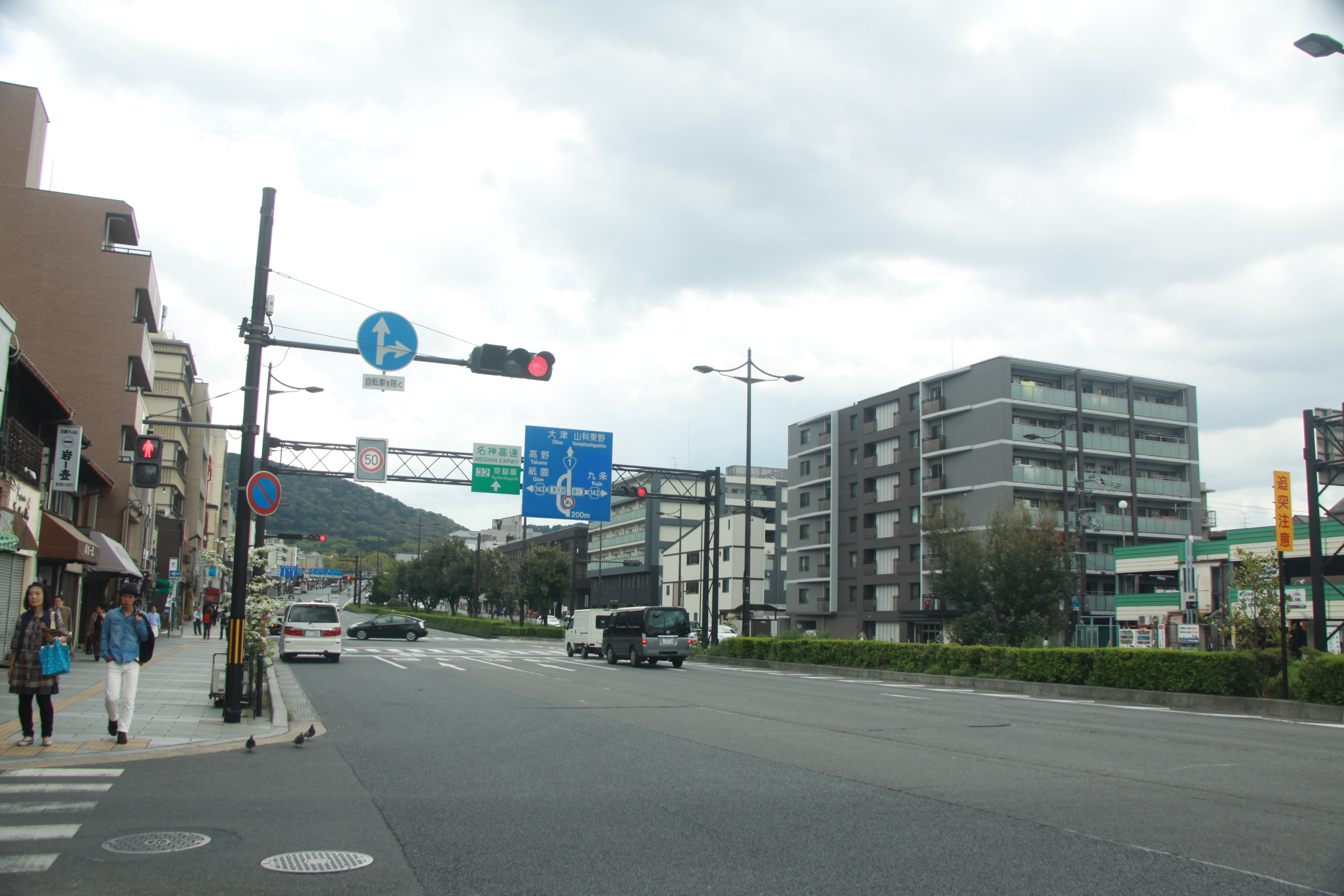
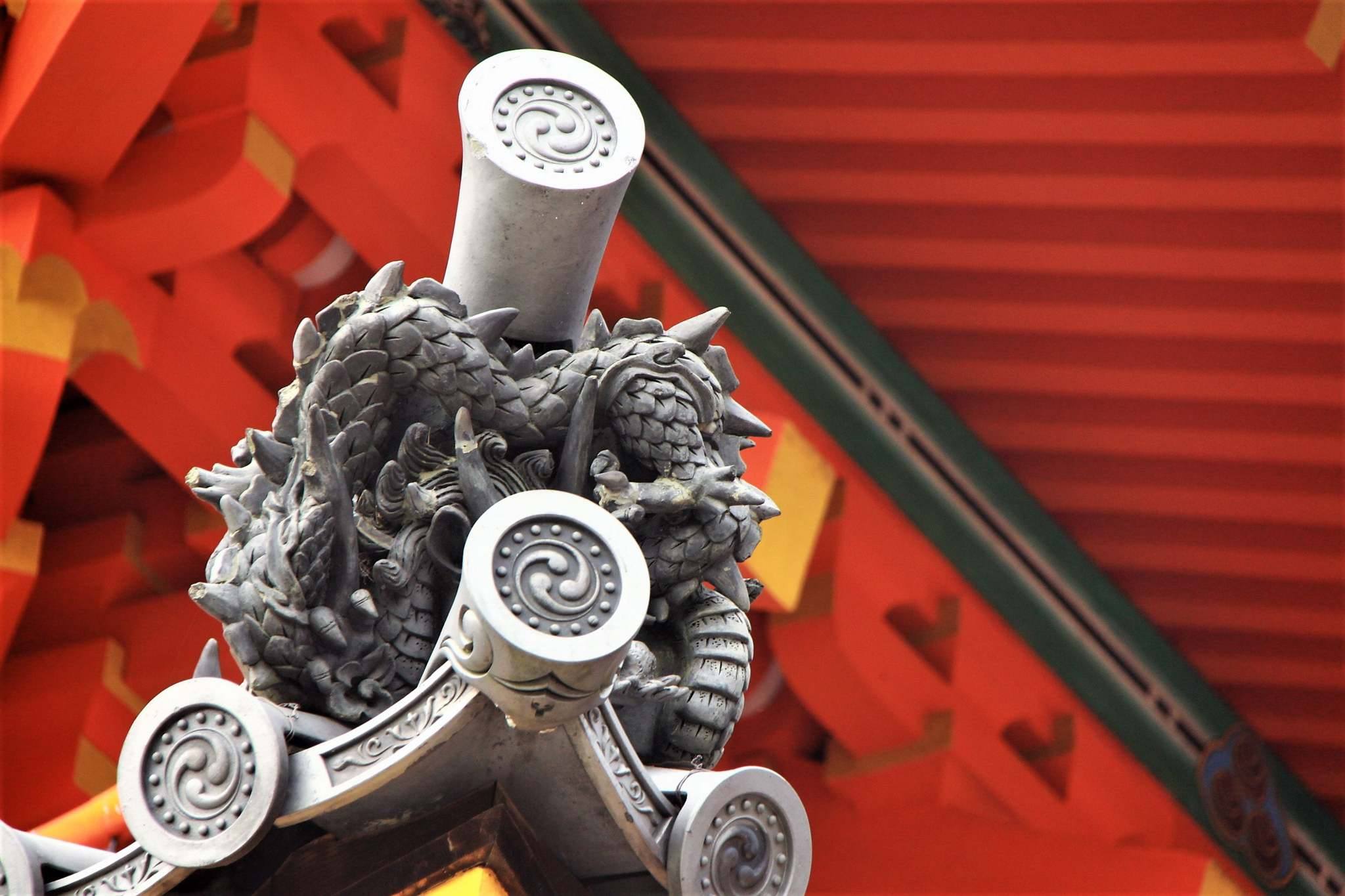
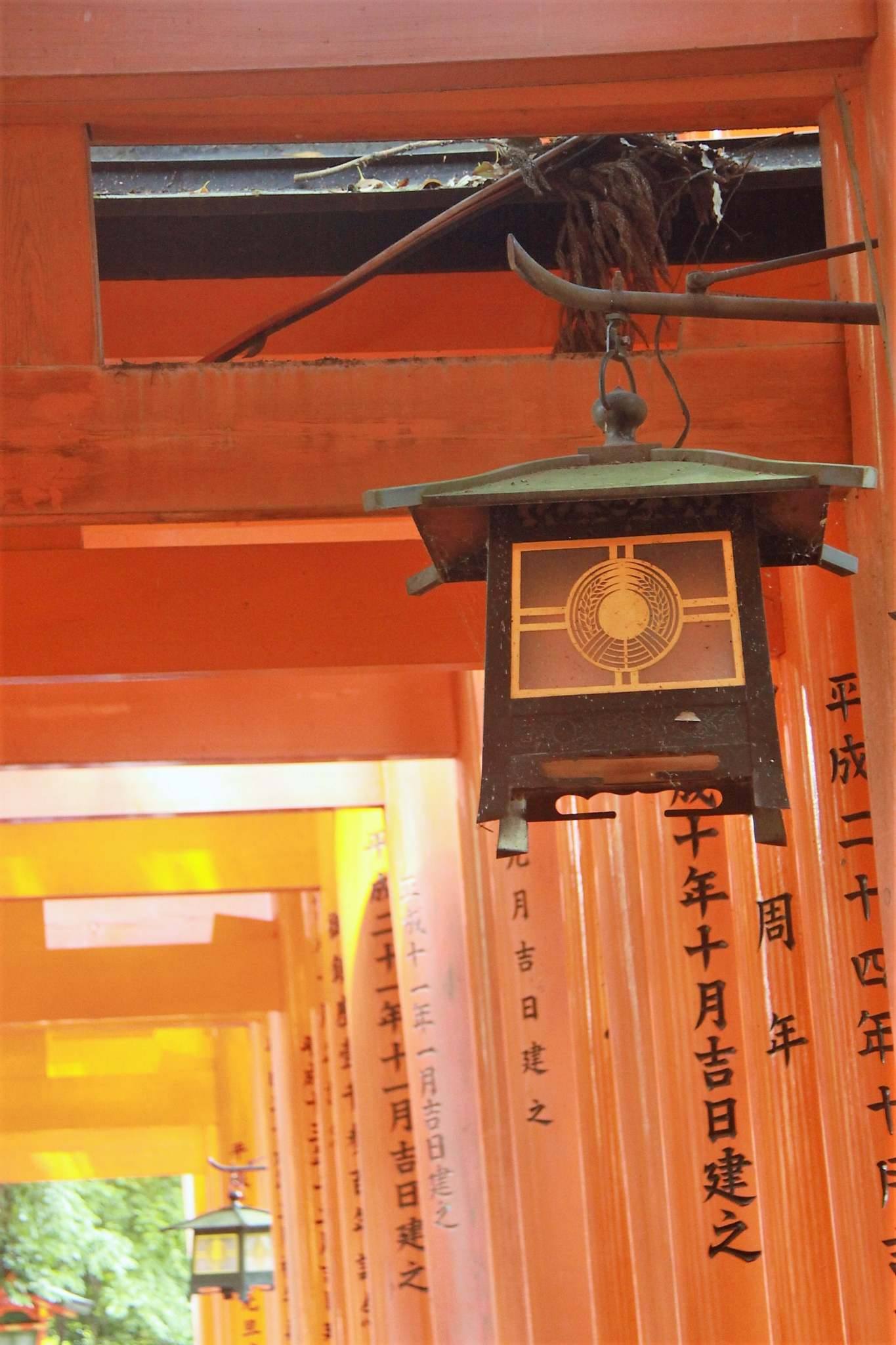
Our focus for this trip was on two famous places of worship in Kyoto.
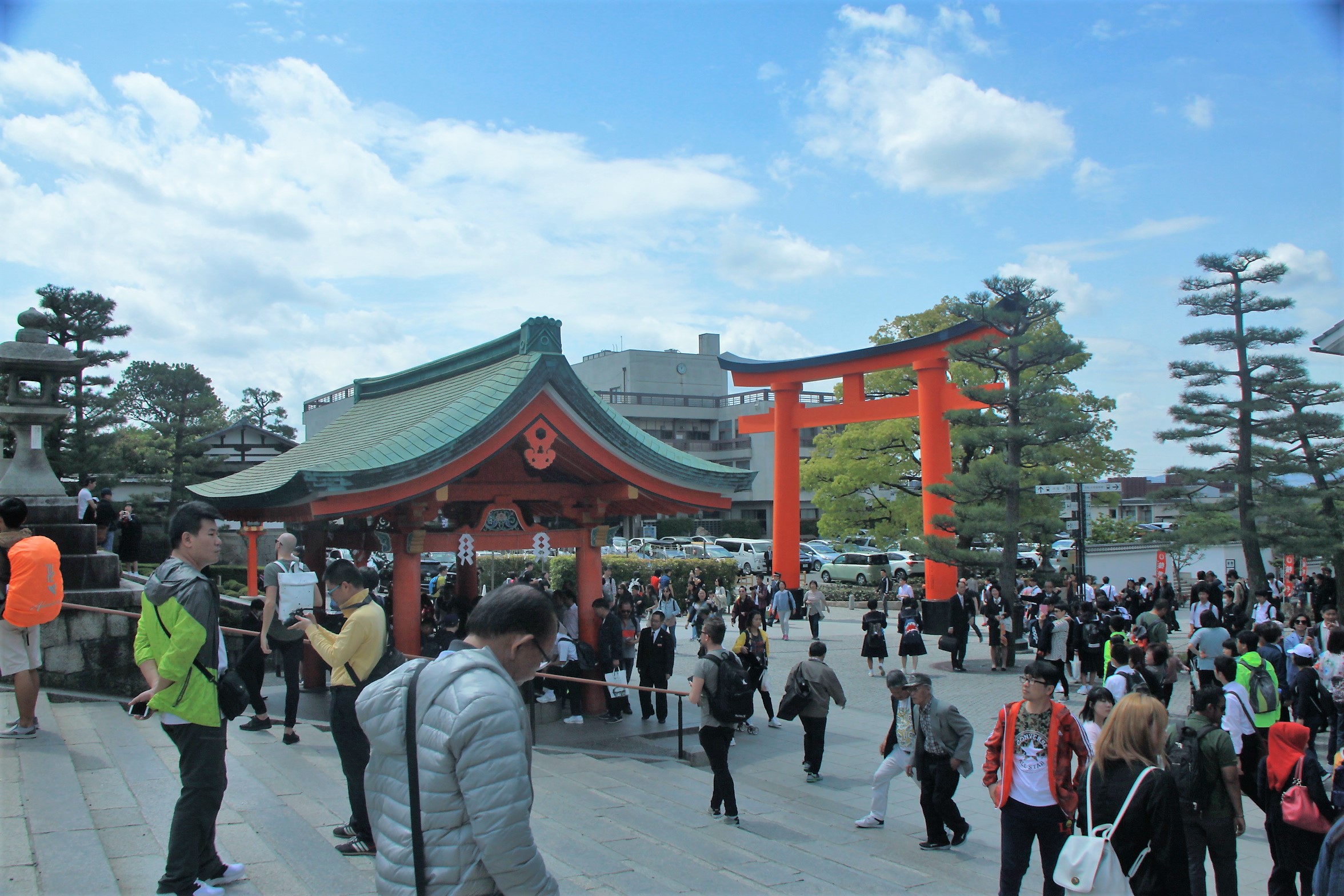
- The Fushimi Inari Taisha. It is a beautiful Shinto shrine best know for its beautiful buildings and its 32,000 gates or tori that covered hiking a trail from the bottom to the top of the shrine complex.
- The Kiyomizu-dera Temple. The temple is part of the Historic Monuments of Ancient Kyoto, a UNESCO World Heritage site. The old architecture and the breathtaking view from the grand balcony invite tourists to come and relive the old days of Kyoto.
| What we planned | What we did | |
| 19. | In the morning we would check out from the hotel, and take the train from the Kyoto Station to the Fushimi Inari-Taisha temple. | We left our luggage at the Concierge. This is a courtesy service provided by hotels in Kyoto to help tourists enjoy Kyoto a bit longer on the last day of their visit. We had breakfast at the same Italian restaurant, using the discount coupon we got the day before. The tourist crowd at the temple was big, we had to wait for the right moments to take pictures without getting photobombed. Outside the temple were many hawker stalls and souvenir shops. We dug into the food stalls. We were so full we decided to skip lunch. |
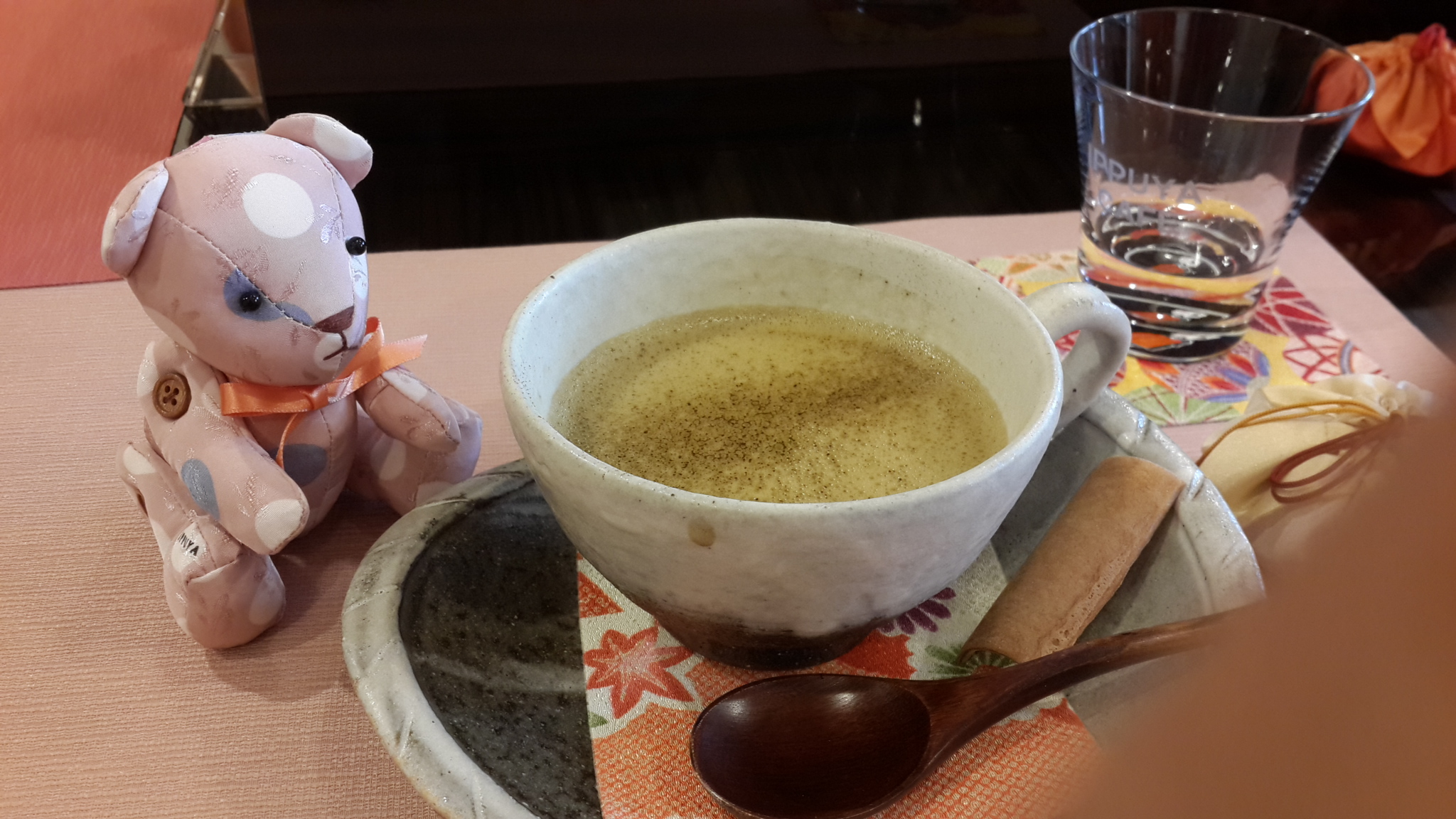
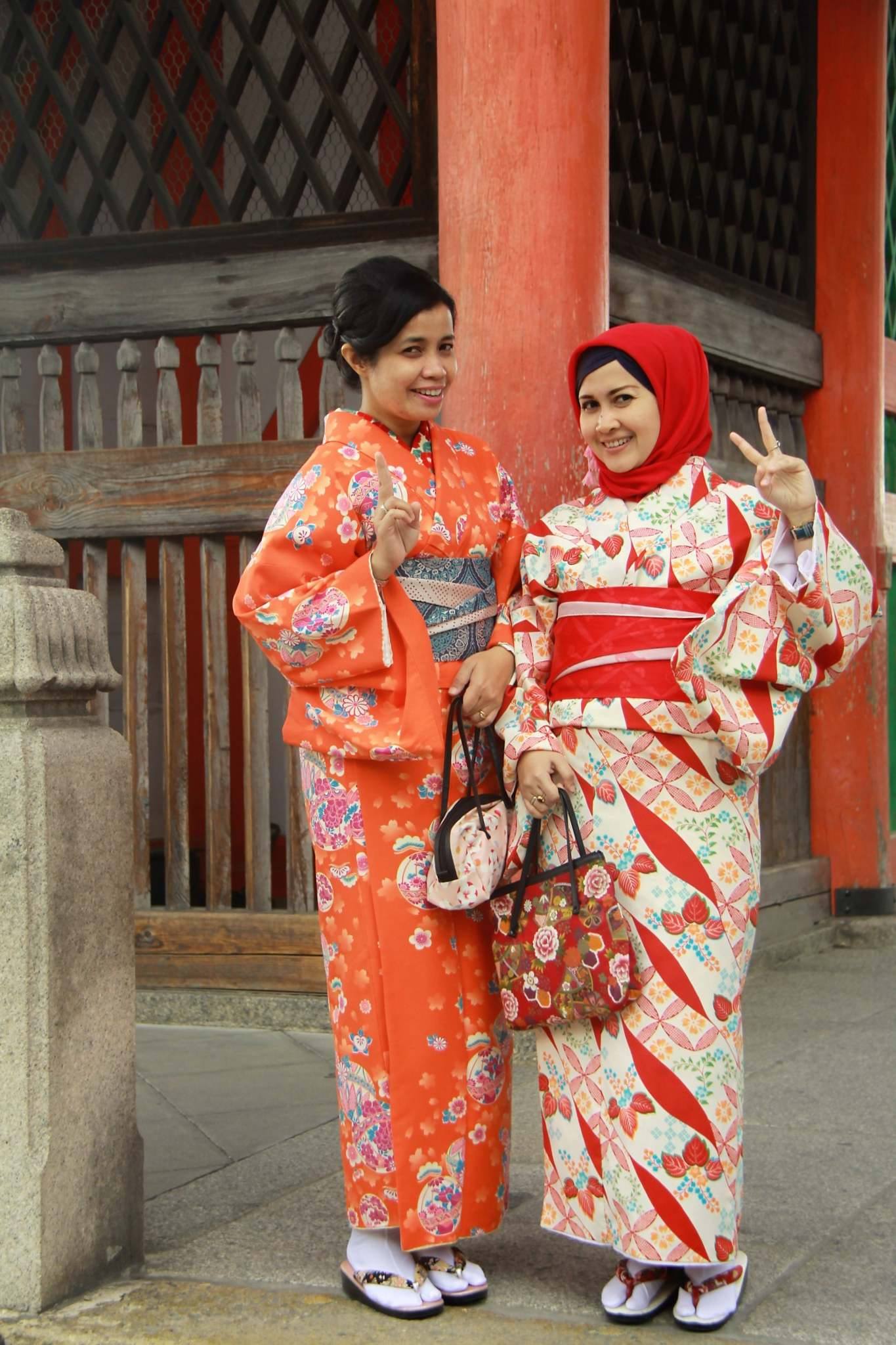
| 20. | We would train and bus to Kiyomizu-Dera, the main temple in Kyoto. | We stopped at a shop to rent kimonos for the girls (the guys didn’t care about looking authentic). We spent the time taking pictures around the temple in kimonos. We rested in a small tea house by the temple. |
| 21. | From Kiyomizu-Dera, we would take the bus back to the hotel, retrieve our luggage, and take the Shinkansen back to Tokyo. | Instead of Tokyo Station, we got off at Shinagawa Station and took the Yamanote line to Shinjuku. We walked from Shinjuku station to our hotel, where we picked up the rest of the luggage that we sent from Narita. We had a late dinner at Yoshinoya along with salarymen and women of Tokyo who were going home from work. Then we returned to the hotel to call it a day. |
The Seventh Leg: Tokyo Prefecture
Where Everything Is
To be entirely fair, it was far from ideal to spend only two days in Tokyo. The metropolis is so large, so full of interesting places, you can fill an entire two-week time just within Tokyo. From gardens, palaces, temples, castles, markets, shrines, museums, amusement parks, towers, shopping streets, neighborhoods, zoos, and aquariums, not to mention side trips to neighboring areas, there are so many things to see and do.
If you are a manga or anime fan, then you may not have to go anywhere else in Japan. The Ghibli Museum, Fujiko F. Fujio Museum, Gundam Front, Pokemon Center, J-World Tokyo, Nakano Broadway, Suginami Animation Museum, Tokyo Anime Center, and the list goes on.
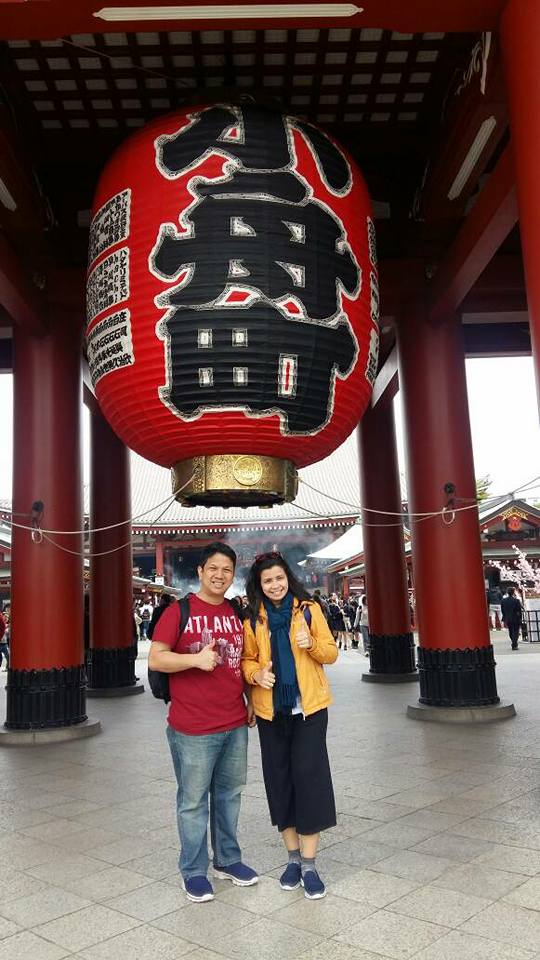
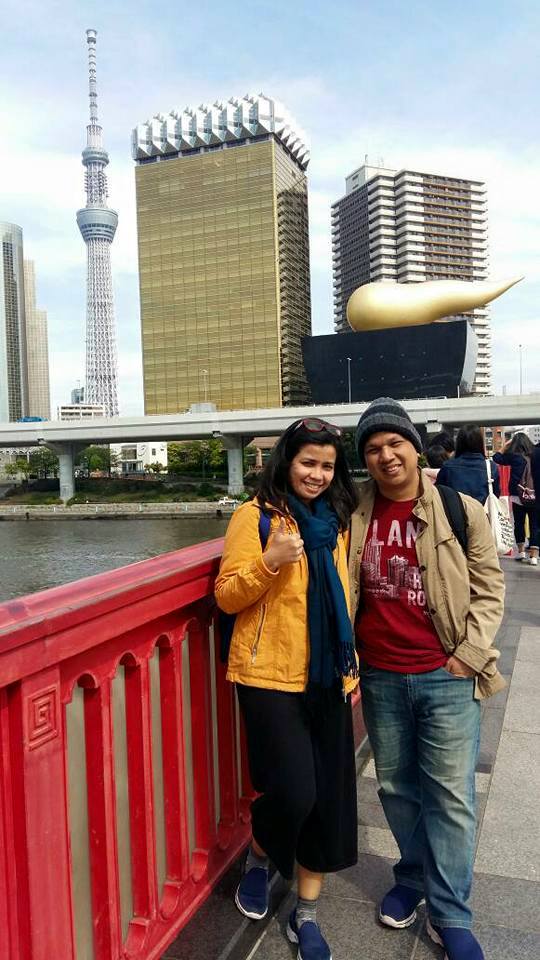
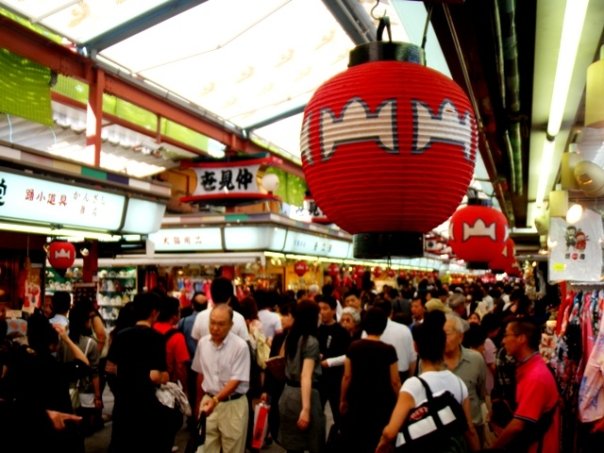
For this trip, we focused on three places in Tokyo: Tokyo Disneyland, Asakusa, and Tokyo Skytree. Asakusa is a big tourist spot. It’s very big with many nooks and crannies to explore. The best is to set aside at least one whole day just for Asakusa and its surrounding. You could spend half a day just souvenir hunting and trying the street foods.
Asakusa always has a special place in my heart. It is where I saw the elderly souvenir shop owner wrapped individually a dozen small fans that we bought so we could gift them without having to wrap them ourselves. That level of service is unparalleled anywhere else in the world that I have visited so far.


| What we planned | What we did | |
| 22. | In the morning, we would take local trains to Tokyo Disneyland. | We got there near lunchtime, so we decided to have lunch first before all the restaurants were inundated with tourists. We spent the day enjoying the park and managed to ride three different roller-coaster rides (a record for me, because I hate roller coasters). Unfortunately, because of strong winds, there was no fireworks show. We returned to Shinjuku, had dinner in a barbecue restaurant, and rest. |
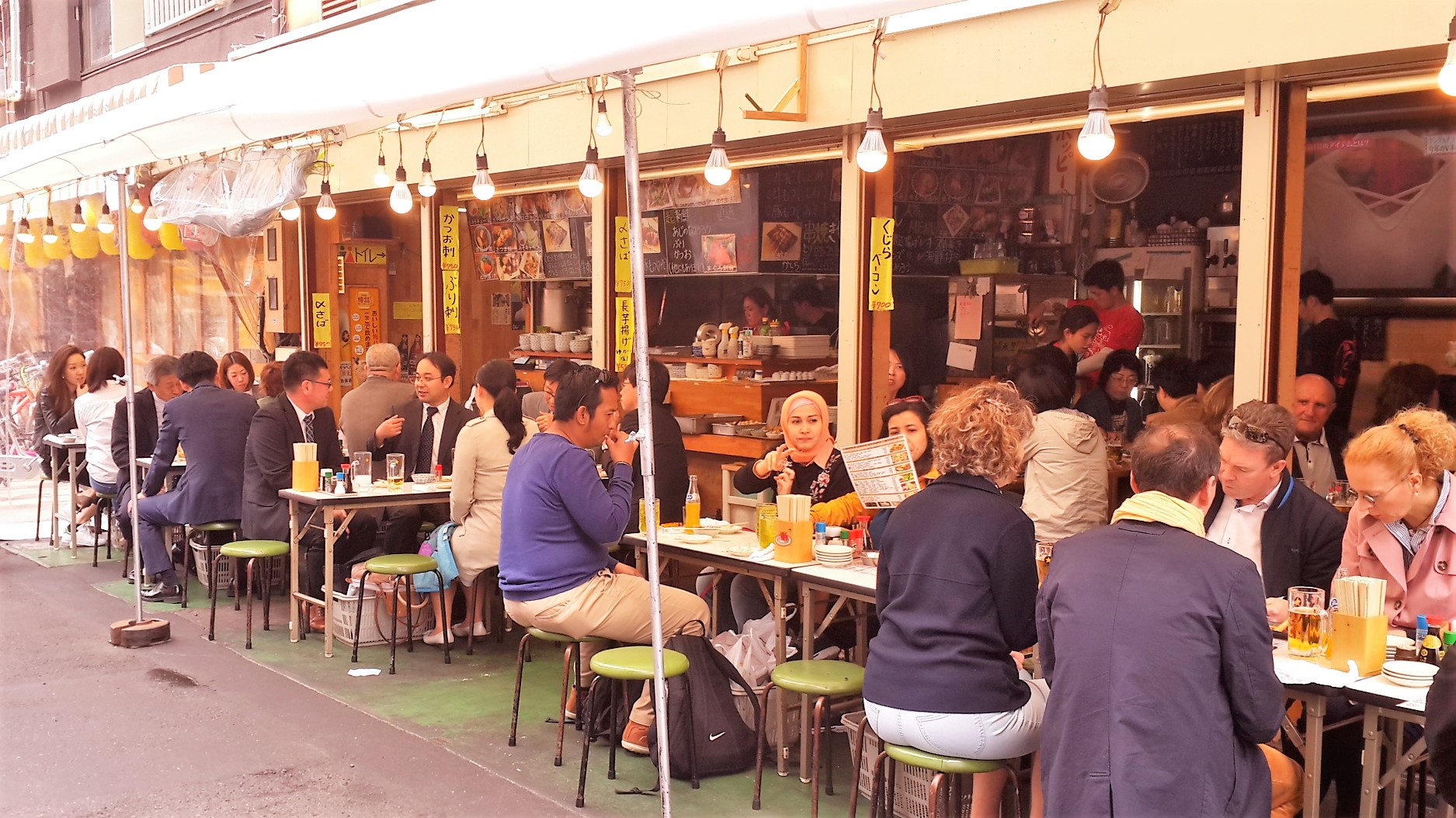
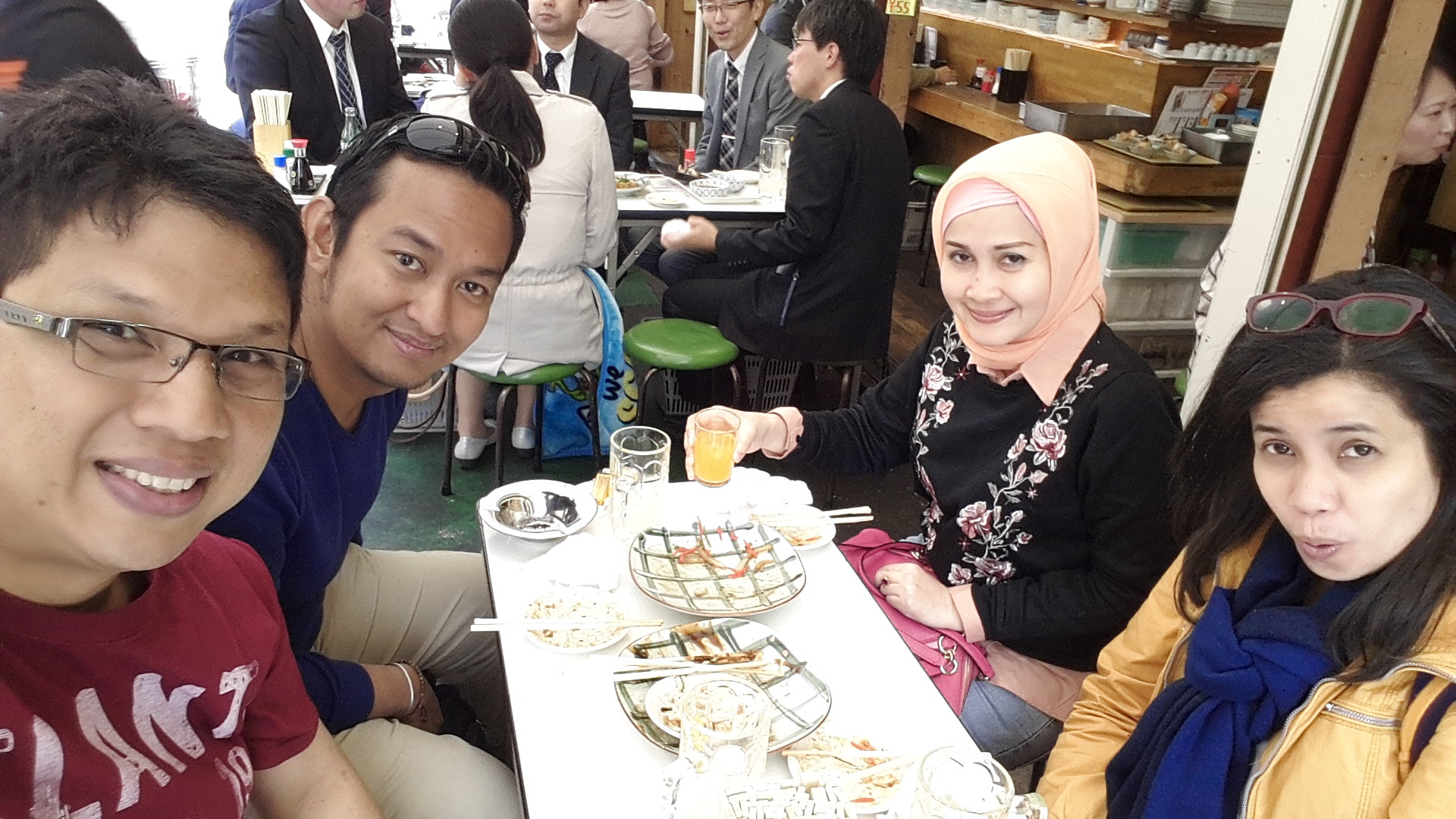
| 23. | On the second day in Tokyo, we would go to Asakusa to visit the Senso-ji Temple and go souvenir shopping at Namakise Dori. | We had lunch at a street eatery that served dishes in small portions, similar to tapas. They make excellent pair with a cold beer. We continued on foot to see the Tokyo Skytree. This is a long one-mile walk with many photo opportunities. Should you decide to do the same, be sure to take your time to enjoy it. |
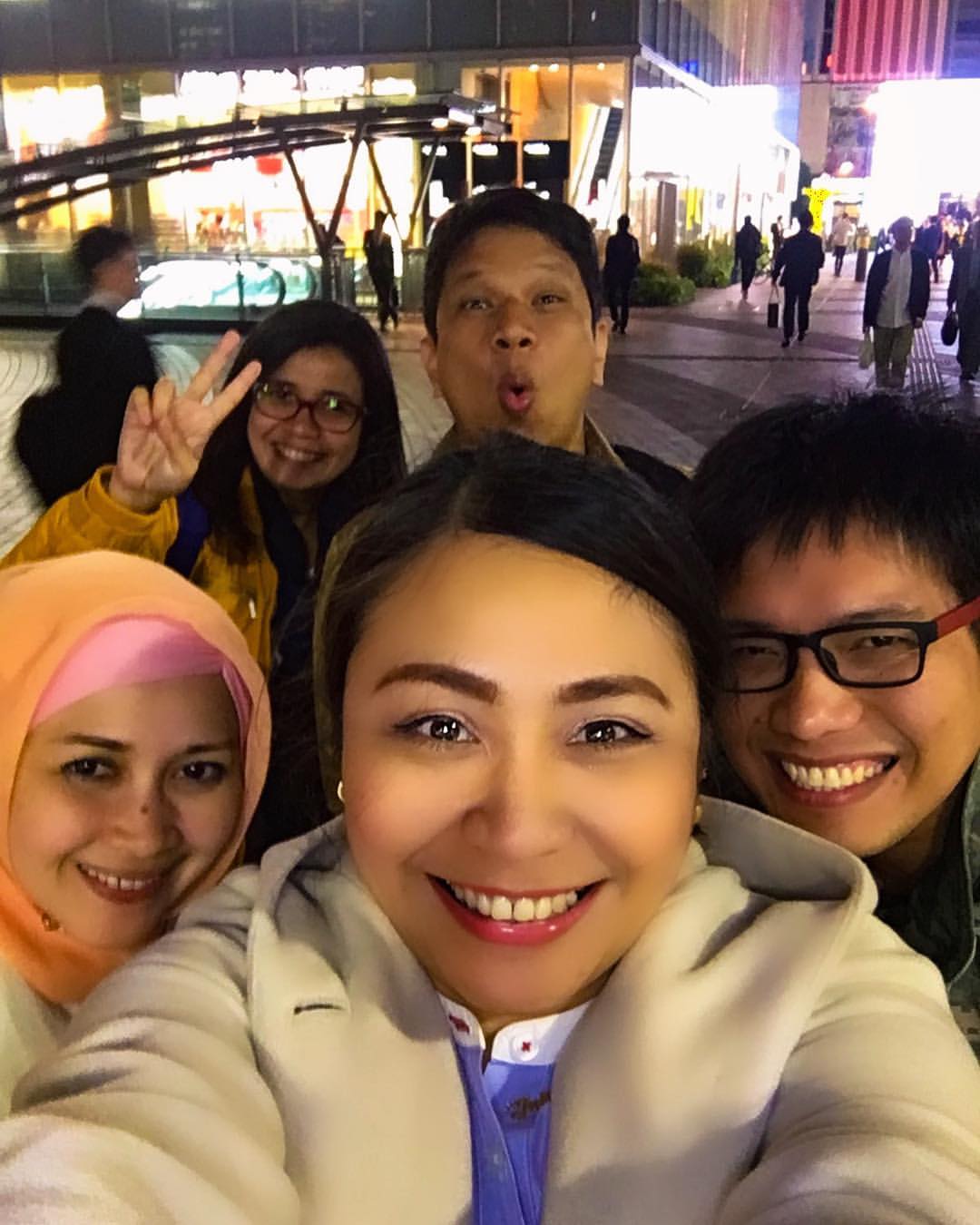
| 24. | We would spend the evening packing. | We returned to the hotel, freshened up, and went to Ginza to meet our Tokyoite friends. While the girls went shopping, the guys had dinner. |
Side Note: Why Shinjuku?
Personally, Shinjuku is a good for a basecamp in Tokyo for the following reasons:
1. It is home of the Shinjuku Gyoen National Garden, the largest and the most popular park in Tokyo. It is one of the best spot to view Cherry Blossom (sakura blooming) in early spring.

2. The neighborhood offers many fun things to do. You can spend one whole day easy just exploring Shinjuku.

3. It is close to two of the most popular areas in Tokyo. From Shinjuku, you can easily reach Shibuya. In there you hang out in Harajuku for the most updated street fashion, and take a selfie at the legendary Shibuya Crossing.

4. Shinjuku Station is serving the Yamanote Line, the special JR Line that circumnavigate Tokyo. The Station also has direct trains to Mount Fuji if you are interested to take a side trip.

Here is some basics on Shinjuku.
The Final Leg: Flight Home
| What we planned | What we did | |
| 25. | We would check out from the hotel, and took the bus to the airport. | In the morning, because we had plenty of time before we had to leave for the airport, the girls decided to do some last-minute shopping, while the guys went to buy Airport Limo bus tickets at the Shinjuku station and had some coffee. We returned to the hotel, expecting the girls to be back with their haul. But they had not finished shopping! When it was time to check out, the guys dragged all the suitcases to Kirin City and had lunch and beer while waiting for the girls. When the girls finally completed their shopping, we went to the Bus Terminal. We waited for about half an hour, and then boarded the bus. |
| 26. | We would check in to our flights, wait for boarding and fly home. | We proceeded accordingly and arrived home safely. |
Side Note: Why Bus Instead of Narita Express?
There were two reasons why we took the bus for our return flight.

1. The JR Pass had expired, so we could not get free ride on the airport express anymore. Normal Narita Express ticket was ¥3,250 per person, while the bus ticket  cost ¥2,100 per person.

2. There was a metro train to the airport that would have cost only a few hundred yen. On the other hand, now we were traveling with 5 suitcases (our friends ended up bringing home a third suitcase), instead of only our backpacks the way we did when we arrived. Also we would have had to take two train trips: one ride from Shinjuku to Tokyo Station, and another from Tokyo to Narita Station. And then we still had to go up from the station to the airport terminal. It would have been a nightmare to have hauled all those suitcases during work hours. While the Limo Bus went straight from Shinjuku Station to the Departure Hall of Narita Airport.
Close
Thank you for reading until the end! I hope you enjoy the story and the information. Please let me know in the comment section if there is anything that I missed or if you would like to know more.
I added additional photos from previous travels to Japan for illustration purposes.
All rights of all pictures in this post are reserved. Please ask for my permission before using any of them.
 Life At Slow-Mo
Leave a comment